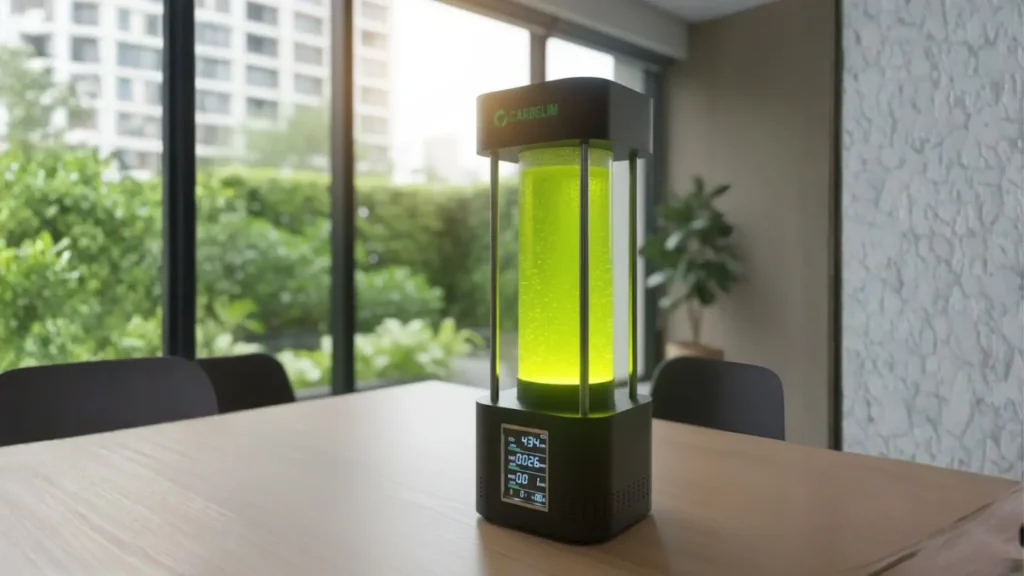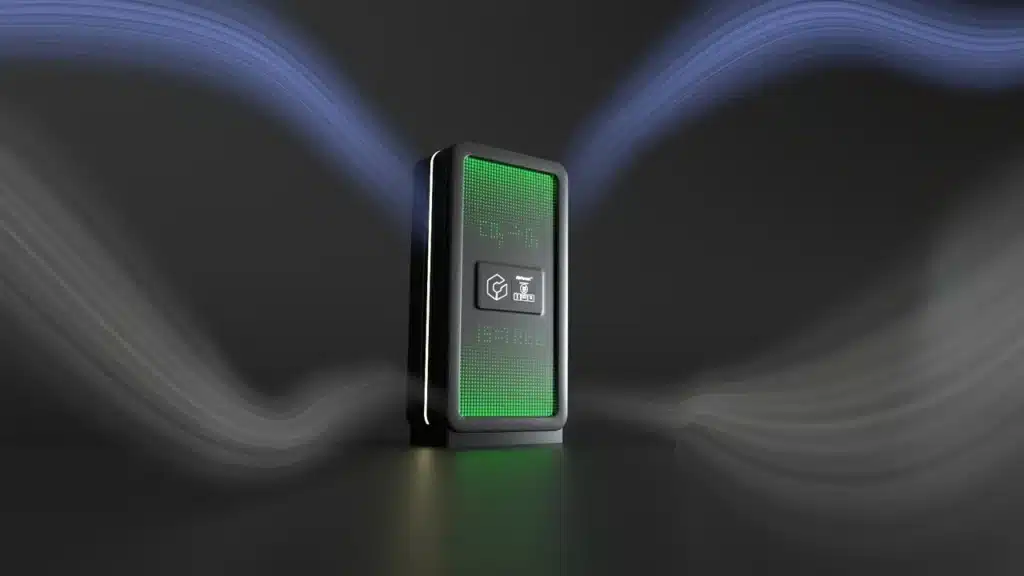
Executive Summary: As urban centers face unprecedented climate mandates in 2026, the traditional building envelope is undergoing a radical transformation. Biomimetic facades—building skins that mimic natural biological processes to actively sequester carbon and regulate heat—are replacing passive materials. Unlike high-maintenance “green walls,” these active systems utilize microalgae within closed-loop photobioreactors to turn commercial real estate into quantifiable carbon sinks.
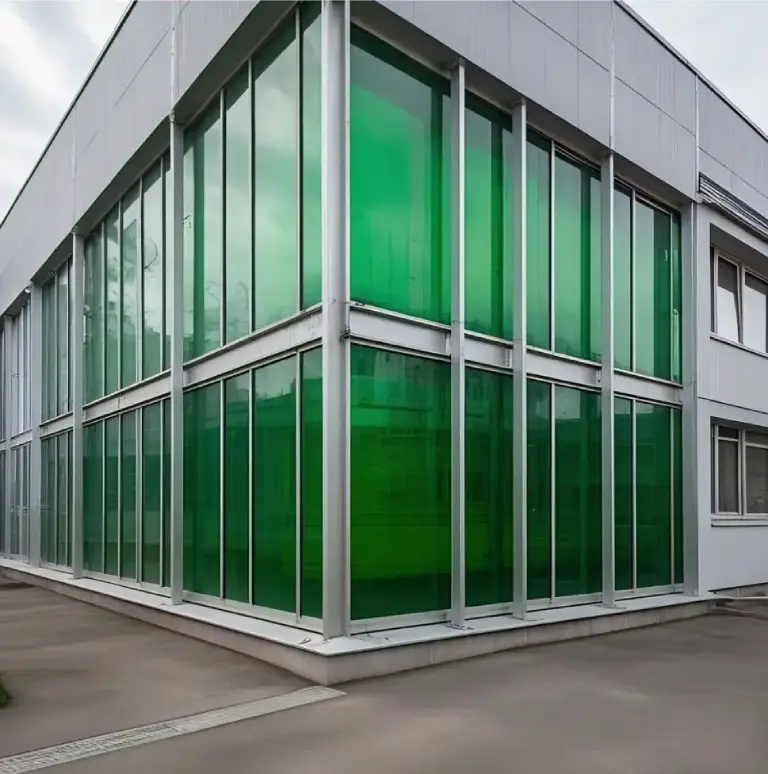
Chapter 1: The Death of the Passive Glass Box and the 2026 Urban Climate Mandate
For decades, the pinnacle of urban success was the “Glass Box”—towering, reflective monoliths of steel and silicate that defined the skylines of global metropolises. But in 2026, these structures have become liabilities. With global temperatures consistently hitting new records and urban heat island effects making city centers nearly uninhabitable during peak summer months, the traditional building envelope is failing us.
We are no longer in an era where “reducing harm” is enough. Standard sustainability—the practice of using slightly less energy or installing a few solar panels—is a defensive strategy. To meet the aggressive net-zero targets set by international and local urban mandates, architecture must play offense.
This brings us to the most significant shift in construction technology since the invention of the elevator: The Living Facade.
The passive building is dead. In its place, we are seeing the rise of Biomimetic Architecture, where the exterior of a skyscraper does more than just shield occupants from the rain; it breathes, it filters, and it heals the surrounding atmosphere. For forward-thinking developers, this isn’t a futuristic concept—it is a deployed reality made possible through technologies like Carbelim’s Bio-Façades (CBF™).
Chapter 2: Understanding Biomimetic Architecture
To understand why biomimetic facades are the future of regenerative design, we must first define what Biomimicry actually means in a modern context. Many people confuse biomorphism (buildings that look like plants) with biomimicry (buildings that work like plants). A building shaped like a lotus flower is aesthetically pleasing, but a building that performs biological carbon sequestration is revolutionary.
The Three Levels of Biomimicry in Construction:
- The Organism Level: Architects look at a specific organism—like a leaf or a cactus—and mimic its physical structure to handle water runoff or solar shading.
- The Behavioral Level: This mimics how an organism acts. For example, a building facade that opens and closes its “pores” based on the carbon dioxide concentration in the air, much like the stomata on the underside of a leaf.
- The Ecosystem Level: This is the “Holy Grail” of urban planning. It’s the idea that a city block should function like a forest. If a forest cleans the air, manages its own waste, and regulates its own temperature, a city of biomimetic buildings should do exactly the same. We see this ecosystem approach in infrastructure as well, such as the deployment of BioDivider™ systems on urban highways to tackle vehicular emissions at the source.
The Shift to Regenerative Design
In 2026, the term “Sustainable” is being heavily replaced by “Regenerative.” Sustainable architecture seeks to reach “Point Zero”—producing no net harm. Regenerative architecture seeks to produce a Net Positive impact.
A building equipped with a biomimetic algae system doesn’t just “not emit” carbon; it actively removes it from the neighborhood. It becomes a localized carbon sink. When a building can prove it is removing massive amounts of CO2 per square meter of its facade every year, it isn’t just a property; it’s a verifiable climate asset.
Chapter 3: The Science of Algae-Integrated Facades
The engine behind the modern biomimetic facade is surprisingly ancient: microalgae. These microscopic organisms are responsible for generating over half of the oxygen in our atmosphere. By capturing them within advanced architectural glass, we can harness their biological power for the built environment.
How the “Living Skin” Works
Instead of static glass panels, a biomimetic facade utilizes a Photobioreactor (PBR). This is a closed, transparent vessel (often flat-panel or tubular) integrated directly into the building’s exterior.
- Carbon Intake: Ambient urban air, rich in CO2 and particulate matter, is pumped into the water-filled panels.
- Photosynthetic Conversion: Sunlight strikes the panels, triggering the microalgae to consume the carbon dioxide and water. Through the natural process of photosynthesis, the algae multiply, locking the carbon into their own cellular mass.
- Oxygen Release: Fresh, pure oxygen is expelled back into the environment (or routed into the building’s HVAC system to improve indoor air quality, a concept closely related to our work with Algae-based Air Purifiers in India).
The Multiplier Effect of Microalgae
The reason architects are choosing microalgae over traditional plants is pure efficiency. Microalgae do not waste energy growing roots, trunks, or branches. Every ounce of their energy goes into photosynthesis and cellular division. As a result, specific strains used in Carbelim systems can capture carbon up to 36 times faster than terrestrial trees. A single square meter of an optimized biomimetic facade can sequester upwards of 52 kilograms of CO2 annually.
Chapter 4: Comparative Analysis: Living Facades vs. Traditional Green Walls
One of the biggest hurdles in urban planning today is the confusion between traditional “Green Walls” (vertical gardens) and “Living Facades” (biomimetic PBR systems).
Most green walls are essentially houseplants attached to a skyscraper. While they offer aesthetic benefits and some psychological comfort, their environmental impact is highly debated. They require immense amounts of fresh water, constant manual pruning, and often die off in extreme weather. Furthermore, when the plants in a green wall die and decay, they release their stored carbon back into the atmosphere.
Biomimetic facades are industrial-grade biological engines. They are closed-loop, climate-resilient, and highly controlled.
| Feature | Traditional Green Wall (Ivy/Moss) | Biomimetic Algae Facade (CBF™) |
| Carbon Sequestration | Low (Passive, limited capacity) | Ultra-High (Active, constant growth) |
| Air Filtration | Minor dust collection | Micro-level particulate & VOC absorption |
| Water Consumption | High (Open evaporation, constant irrigation) | Extremely Low (Closed-loop system) |
| Maintenance | High (Manual pruning, plant replacement) | Automated (Sensor-driven fluid management) |
| Lifespan | 3–5 years (vulnerable to seasons) | 25+ years (integrated building material) |
| Economic Output | Aesthetic value only | Generates tradable carbon credits & biomass |
For a deeper understanding of how algae outperforms traditional mechanical and passive filtration, you can read our technical breakdown on Algae vs. HEPA filters.
Chapter 5: The ROI of the “Living Skin”
To secure funding and approval for regenerative architecture, the conversation must move from environmental idealism to hard economics. Biomimetic facades deliver a compelling Return on Investment (ROI) across three distinct pillars:
1. Drastic Energy Savings
Microalgae inherently adapt to sunlight. On a bright, sunny day, the algae bloom and multiply rapidly, turning the water panels opaque green. This creates dynamic, natural shading that blocks thermal heat from entering the building. In the winter or on cloudy days, the algae density lowers, allowing more natural light and passive solar heat to enter. This dynamic thermal regulation can reduce a commercial building’s HVAC energy consumption by up to 30%.
2. Monetizing Carbon Credits
With 2026 carbon taxes and strict ESG (Environmental, Social, and Governance) reporting standards in effect, carbon emissions are a massive line-item expense for corporate real estate. Because biomimetic facades actively and measurably draw down CO2, building owners can generate high-quality carbon credits. The building transforms from a cost center into a carbon-negative asset.
3. The Circular Economy of Biomass
As the algae multiply, the excess biomass must be periodically harvested from the closed-loop system. This harvested algae is not waste; it is a highly valuable raw material. It can be sold to third-party industries to be refined into biofuels, bioplastics, or high-protein agricultural feed.
Chapter 6: Overcoming Challenges: Installation and Maintenance
Integrating biology with architecture comes with engineering realities. However, modern biomimetic systems have solved the early hurdles of the technology.
- Structural Load: Because water is heavy, early photobioreactors were difficult to retrofit onto older buildings. Today’s biomimetic panels utilize ultra-thin, high-strength polymers and advanced fluid dynamics to minimize weight, making them viable for both new construction and retrofitting existing facades.
- The “Green Slime” Fear (Bio-Fouling): A common concern among developers is that algae panels will look dirty or clog up. Carbelim’s systems utilize proprietary flow mechanisms and automated ultrasonic cleaning technologies that prevent algae from sticking to the glass. The result is a sleek, constantly flowing, modern aesthetic that looks like vibrant, moving stained glass.
- Plumbing Integration: These systems operate on a centralized, automated hub. Sensors monitor pH, temperature, and nutrient levels in real-time, requiring zero manual intervention from the building’s maintenance staff.
Chapter 7: Conclusion & The Road to 2030
The buildings of the 20th century were designed to conquer nature. The buildings of the 21st century must be designed to partner with it.
As we look toward the stringent 2030 net-zero deadlines, the AEC (Architecture, Engineering, and Construction) industry must embrace solutions that actively heal the environment. Biomimetic facades represent the ultimate synthesis of nature and technology. By transforming dormant glass and steel into living, breathing urban forests, we can finally turn the tide on urban carbon emissions.
The facade of the future isn’t a barrier; it is a biological engine.
Frequently Asked Questions (FAQ)
What is a biomimetic facade?
A biomimetic facade is a building exterior designed to mimic natural biological processes. Instead of just shielding a building from the weather, active biomimetic systems (like Carbelim’s CBF™) use microalgae and water to perform photosynthesis, actively absorbing CO2 and releasing fresh oxygen.
How much carbon can an algae facade capture?
Because microalgae are highly efficient at photosynthesis, they sequester carbon at a massive scale. An optimized biomimetic algae facade can capture up to 52 kg of carbon dioxide per square meter annually—making it up to 36 times more effective than planting terrestrial trees in the same footprint.
Are living facades better than traditional green walls?
Yes. Traditional green walls (using plants like ivy or moss) are passive, require immense amounts of fresh water, need frequent manual pruning, and have a low carbon capture rate. Biomimetic microalgae facades are closed-loop, automated, require very little water replacement, and actively filter urban air pollutants while generating usable biomass.
How do you maintain an algae-integrated building skin?
Modern systems operate on centralized, automated hubs. Sensors continuously monitor the water’s pH, temperature, and nutrient levels. Because the system is closed-loop and utilizes automated flow and ultrasonic cleaning mechanisms, it prevents bio-fouling (clogging) and requires virtually zero daily maintenance from facility staff.
Can biomimetic facades help achieve green building certifications?
Absolutely. By drastically reducing HVAC energy loads through dynamic thermal shading and physically removing carbon from the atmosphere, biomimetic facades are highly effective for securing top-tier ESG ratings, LEED Platinum status, and fulfilling the stringent requirements of the Living Building Challenge.