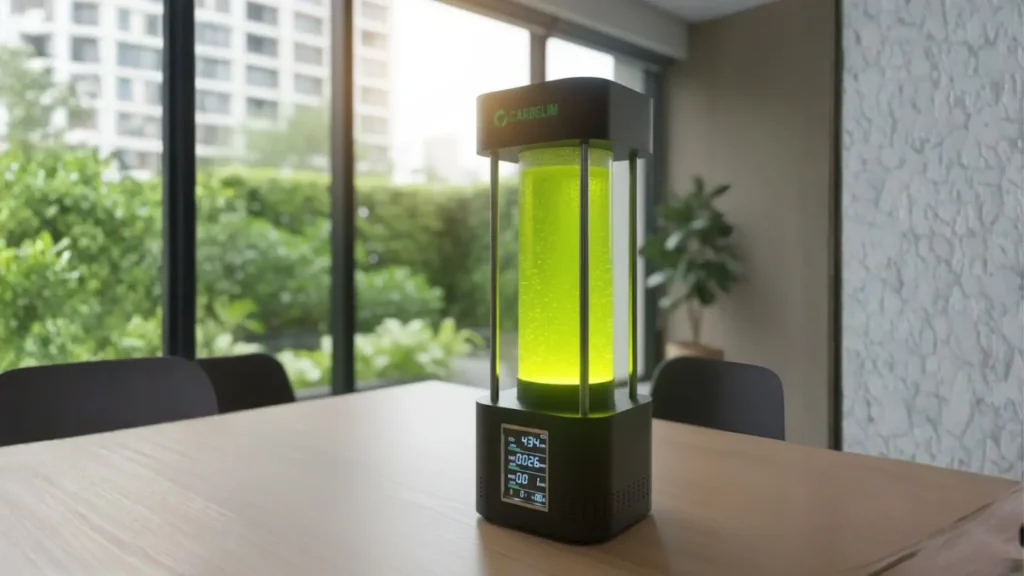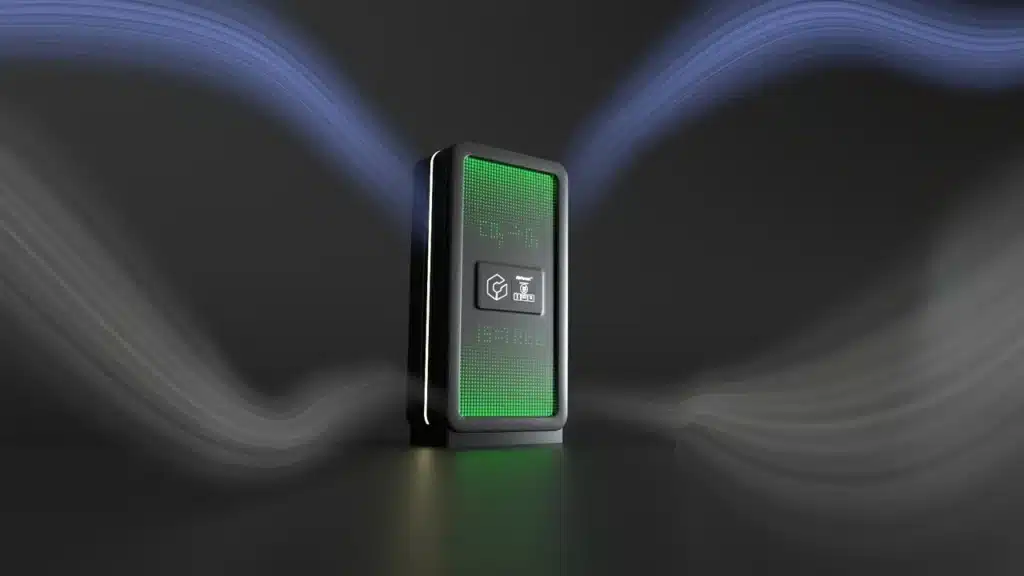
Atmospheric carbon dioxide is no longer just a climate science metric. It is now a business risk, a public health issue, an infrastructure challenge, and a defining priority for the global net-zero transition.
Cities are expanding. Industrial activity is rising. Air pollution is affecting human health. At the same time, companies, governments, and investors are under growing pressure to move from climate commitments to measurable climate action.
For decades, the world has focused mainly on reducing emissions at the source. That remains essential. But emission reduction alone is no longer enough. To meet long-term climate goals, the world also needs scalable carbon removal systems that can actively remove carbon dioxide from the atmosphere.
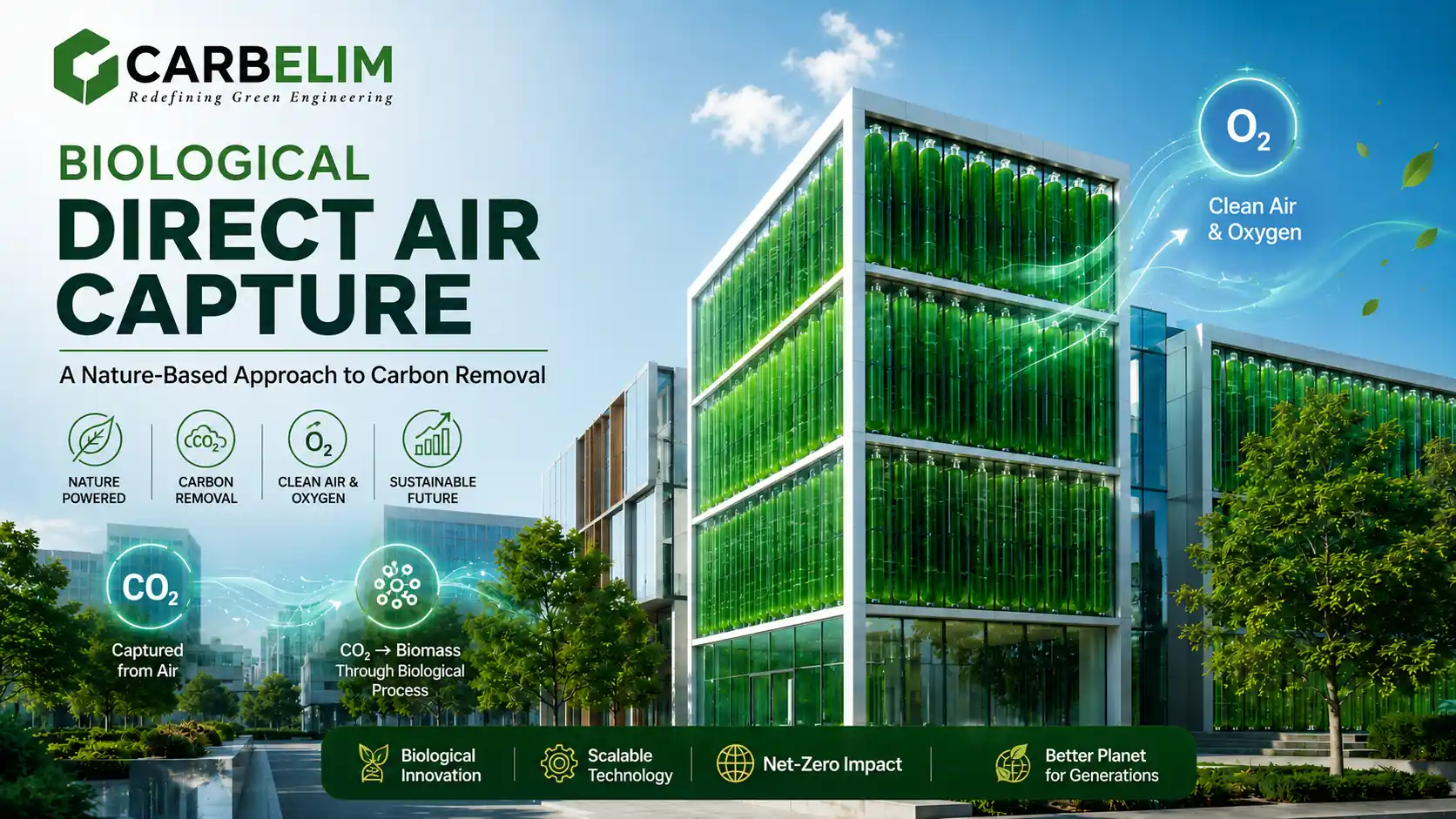
This is where Biological Direct Air Capture is emerging as a powerful next-generation climate solution.
Unlike conventional carbon capture systems that depend heavily on mechanical equipment, chemical sorbents, large energy inputs, and complex infrastructure, Biological Direct Air Capture uses living systems. It works with natural carbon-capturing organisms such as microalgae, cyanobacteria, and photosynthetic microbes to absorb CO₂, convert it into biomass, and release oxygen.
In simple terms, Biological Direct Air Capture is nature-based carbon capture, engineered for the modern climate-tech era.
It brings together biology, bioengineering, smart air purification, real-time monitoring, ESG reporting, and scalable climate infrastructure. For industries, cities, sustainability leaders, and climate-tech investors, it offers a practical pathway toward cleaner air, atmospheric CO₂ reduction, and measurable environmental impact.
What Is Direct Air Capture?
Direct Air Capture Technology, commonly known as DAC, refers to systems that remove carbon dioxide directly from ambient air.
Traditional carbon capture usually happens at the source of emissions, such as power plants, cement factories, steel plants, or refineries. Direct Air Capture is different because it captures CO₂ from the open atmosphere.
This is more challenging because carbon dioxide is present in the air at relatively low concentrations. However, it is also highly valuable because it can be deployed beyond industrial sites and used as part of wider climate infrastructure.
A typical Direct Air Capture system includes:
- Air intake from the surrounding environment
- Separation of carbon dioxide from ambient air
- Capture, conversion, or storage of CO₂
- Monitoring and verification of carbon removal
- Integration with storage, utilization, or carbon credit systems
Most mechanical DAC systems use fans, filters, chemical sorbents, heat, pressure, and storage infrastructure. These systems can support large-scale carbon removal, especially when powered by renewable energy and linked to permanent carbon storage.
However, mechanical DAC also faces challenges such as high energy consumption, infrastructure cost, and limited deployment flexibility.
That is why biological alternatives are gaining strategic relevance.
What Is Biological Direct Air Capture?
Biological Direct Air Capture is a carbon removal approach that uses living biological systems to capture CO₂ from air and convert it into biological matter through natural processes such as photosynthesis.
Instead of relying only on machines and chemicals, biological DAC uses organisms that have been capturing carbon for billions of years.
These include:
- Microalgae
- Cyanobacteria
- Photosynthetic microbes
- Aquatic biomass systems
- Bioengineered organisms
- Controlled photobioreactor cultures
The core principle is simple but powerful: living photosynthetic organisms absorb carbon dioxide, use light energy to grow, and release oxygen as a by-product.
In engineered systems, this process can be optimized, monitored, and deployed in controlled environments such as bio-reactors, photobioreactors, urban infrastructure, indoor air quality systems, and industrial carbon reduction platforms.
Biological DAC combines the intelligence of nature with the precision of modern engineering.
Mechanical DAC vs Biological DAC
Mechanical DAC and Biological DAC both aim to remove CO₂ from the atmosphere, but they work in very different ways.
Mechanical DAC generally uses industrial systems to separate carbon dioxide from air. Biological DAC uses living organisms to absorb and convert CO₂.
Both have a role in the future of carbon removal. Mechanical DAC may be suitable for large-scale permanent carbon removal. Biological DAC is especially promising for decentralized, nature-based, urban, and infrastructure-integrated carbon capture.
| Feature | Mechanical Direct Air Capture | Biological Direct Air Capture |
|---|---|---|
| Main process | Uses fans, filters, sorbents, heat, or chemical separation | Uses photosynthesis and living organisms such as microalgae |
| Energy requirement | Often high due to airflow, heating, regeneration, and compression | Lower potential energy demand when sunlight and optimized biological systems are used |
| Cost structure | Capital-intensive and infrastructure-heavy | Potentially more cost-efficient for modular and decentralized deployment |
| Infrastructure need | Requires large equipment, clean energy, CO₂ transport, and storage systems | Can be integrated into buildings, public spaces, urban infrastructure, and industrial sites |
| Oxygen generation | Does not generate oxygen | Generates oxygen through photosynthesis |
| Carbon conversion | Captures and concentrates CO₂ | Converts CO₂ into biomass |
| Urban deployment | More difficult due to size and infrastructure requirements | Strong potential for smart cities, campuses, buildings, and public spaces |
| Environmental co-benefits | Mainly carbon removal | Carbon capture, oxygen generation, air quality improvement, biomass production, and ESG data |
| Scalability model | Centralized large-scale facilities | Modular, distributed, and decentralized systems |
| ESG compatibility | Useful for verified carbon removal | Useful for carbon capture, air quality, visible sustainability infrastructure, and data-driven ESG reporting |
The future will likely require both approaches. But Biological Direct Air Capture offers an important advantage: it can make carbon removal more visible, distributed, and integrated into daily infrastructure.
Why Nature-Based Carbon Capture Matters
Nature has always been the planet’s largest carbon management system.
Forests, oceans, wetlands, soils, algae, and microorganisms all play a role in absorbing and cycling carbon. But natural ecosystems are under pressure from deforestation, pollution, urbanization, warming temperatures, and biodiversity loss.
Nature-Based Carbon Capture does not mean simply planting trees and waiting for results. It means learning from natural systems and designing scalable climate solutions that work with biology.
Biological DAC is part of this new category of green carbon removal technologies.
It takes the natural process of photosynthesis and places it inside engineered systems that can be monitored, optimized, and deployed where carbon reduction and air quality improvement are urgently needed.
This approach is especially important because climate infrastructure must become:
- Scalable
- Measurable
- Urban-friendly
- Resource-efficient
- ESG-compatible
- Data-driven
- Adaptable to different environments
Biological Direct Air Capture aligns with all these needs.
How Biological Systems Capture CO₂
The foundation of Biological Direct Air Capture is photosynthesis.
Photosynthesis is the process through which plants, algae, and some microorganisms use light energy to convert carbon dioxide and water into organic matter. Oxygen is released during this process.
In a biological DAC system, this natural process is supported through controlled cultivation.
The system provides:
- Light
- Airflow
- CO₂ exposure
- Water
- Nutrients
- Suitable temperature
- Controlled pH
- Monitoring sensors
- Bio-reactor design
- Biomass harvesting process
As microalgae or cyanobacteria grow, they absorb CO₂ and convert it into cellular biomass. This biomass contains captured carbon. Depending on the system design, the biomass can be harvested, processed, reused, or converted into longer-term carbon storage pathways.
This creates a biological carbon sequestration cycle.
The process can be summarized as:
Air enters the system → CO₂ contacts microalgae → Photosynthesis absorbs carbon → Biomass grows → Oxygen is released → Data is monitored → Biomass is managed for utilization or sequestration
This is why biological DAC is not just carbon capture. It is carbon conversion.
The Role of Microalgae in Carbon Capture
Microalgae are among the most promising organisms for Biological Direct Air Capture.
They are microscopic photosynthetic organisms found in freshwater, marine systems, and engineered cultivation environments. Although they are small, their carbon capture potential is significant.
Microalgae can grow rapidly, absorb CO₂ efficiently, and be cultivated in compact systems such as photobioreactors. They do not need the same land footprint as traditional tree-based carbon removal. They can be grown vertically, in panels, in tanks, or in closed bio-reactor systems.
This makes Microalgae Carbon Capture especially relevant for cities and industries where land is limited.
Microalgae are valuable for carbon capture because they:
- Absorb CO₂ during photosynthesis
- Grow faster than many terrestrial plants
- Can be cultivated in controlled environments
- Generate oxygen
- Produce biomass
- Can be integrated with IoT monitoring
- Support air purification systems
- Can be deployed in modular infrastructure
In climate-tech terms, microalgae offer a strong combination of biological efficiency, infrastructure flexibility, and data-driven deployment.
Why Microalgae Are One of the Most Efficient Carbon-Capturing Organisms
Microalgae are often described as highly efficient carbon-capturing organisms because of their growth speed, photosynthetic activity, and adaptability.
Unlike large plants that require years to mature, microalgae can multiply quickly under suitable conditions. Their small size and high surface-area exposure allow rapid nutrient and gas exchange. In controlled systems, their growth conditions can be optimized to improve carbon uptake.
Key advantages include:
1. Fast Growth Rate
Microalgae can grow much faster than many land plants. This allows frequent biomass production and continuous carbon conversion.
2. High Photosynthetic Efficiency
Microalgae are highly effective at using light and CO₂ for growth. In optimized environments, they can perform strong carbon fixation.
3. Compact Cultivation
They can be grown in vertical panels, tanks, closed photobioreactors, and modular units. This makes them suitable for dense urban and industrial locations.
4. Oxygen Generation
Through photosynthesis, microalgae release oxygen. This makes them useful not only for carbon removal but also for smart air purification and indoor air quality systems.
5. Biomass Value
Captured carbon becomes biomass, which may support circular economy pathways such as biochar, biofertilizer, biomaterials, research inputs, or other sustainable applications.
6. Controlled Deployment
Microalgae systems can be monitored using sensors, IoT platforms, and real-time dashboards. This makes them highly relevant for ESG and sustainability solutions.
Together, these advantages make algae-based carbon capture a high-potential pathway for sustainable carbon removal.
Bio-Reactors and Controlled Cultivation Systems
For Biological Direct Air Capture to work effectively, organisms must be cultivated in controlled systems.
This is where bio-reactors and photobioreactors become important.
A photobioreactor is a controlled system designed to grow photosynthetic organisms such as microalgae. It allows light, air, nutrients, and environmental conditions to be managed more precisely than open ponds or natural systems.
Common types of photobioreactors include:
- Flat-panel photobioreactors
- Tubular photobioreactors
- Column photobioreactors
- Closed tank systems
- Modular algae cultivation panels
- Building-integrated biological systems
Controlled cultivation helps improve:
- CO₂ transfer
- Culture stability
- Biomass growth
- Oxygen release
- Airflow management
- Contamination control
- Monitoring accuracy
- System reliability
This is where biology becomes climate infrastructure.
A well-designed biological DAC platform is not simply a tank of algae. It is an integrated system combining biology, mechanical design, sensors, software, airflow engineering, and environmental analytics.
Carbon Conversion Into Biomass and Oxygen
One of the most important features of Biological Direct Air Capture is that captured CO₂ becomes part of a living carbon cycle.
In mechanical DAC, carbon dioxide is typically captured, concentrated, compressed, stored, or used.
In biological DAC, carbon dioxide is absorbed and converted into biomass.
This biomass may contain proteins, lipids, carbohydrates, pigments, and other organic compounds depending on the organism and cultivation conditions. From a climate perspective, the key point is that atmospheric carbon has moved into biological matter.
At the same time, oxygen is released.
This dual function makes biological DAC highly attractive for applications where air quality and carbon reduction are both priorities.
Potential biomass pathways include:
- Biochar production
- Soil amendment inputs
- Biofertilizer development
- Biomaterial research
- Industrial bioproducts
- Controlled sequestration pathways
- Circular economy applications
Responsible biomass management is essential. If biomass decomposes quickly without control, some carbon may return to the atmosphere. Therefore, serious biological DAC systems must include a clear biomass utilization or sequestration strategy.
Real-World Applications of Biological Direct Air Capture
Biological DAC has strong potential across multiple sectors. Its value is not limited to carbon removal alone. It can also support air quality improvement, ESG reporting, public sustainability infrastructure, and smart city development.
1. Urban Air Purification
Cities are facing rising pressure from vehicle emissions, industrial pollution, construction dust, poor ventilation, and high population density.
Biological DAC can be integrated into urban environments as smart air purification infrastructure.
Possible deployment locations include:
- Roadsides
- Traffic junctions
- Bus shelters
- Metro stations
- Public parks
- Corporate campuses
- Schools and universities
- Commercial districts
- Smart city corridors
By using microalgae-based systems, cities can create cleaner air zones while also capturing CO₂ and generating environmental data.
This is especially valuable for urban areas where traditional greening is limited by space.
2. Industrial Emissions Reduction
Industries are under growing pressure to reduce carbon impact and improve sustainability performance.
Biological DAC can support industrial carbon reduction by providing an additional layer of atmospheric CO₂ capture and air quality improvement around industrial sites.
Applications include:
- Factory campuses
- Refineries
- Manufacturing facilities
- Logistics hubs
- Industrial parks
- Warehouses
- Energy facilities
- Green transition zones
Biological DAC should not be seen as a replacement for emission reduction at source. Instead, it can complement renewable energy, energy efficiency, process optimization, and other carbon capture systems.
It offers a visible, measurable, and innovation-led approach to industrial sustainability.
3. Smart City Deployments
Smart cities need more than digital connectivity. They need climate intelligence.
Biological DAC can become part of smart city infrastructure by combining air purification, carbon capture, oxygen generation, and real-time monitoring.
A smart biological DAC system can track:
- CO₂ concentration
- PM2.5
- NOx
- Temperature
- Humidity
- Oxygen trends
- Biomass growth
- System health
- Air quality improvement
- Carbon capture performance
This data can support municipal planning, ESG reporting, public health strategies, and climate resilience programs.
In the future, biological DAC systems may become as common in sustainable cities as solar panels, EV charging stations, smart lighting, and green roofs.
4. Indoor Air Quality Systems
Indoor air quality is becoming a major priority for workplaces, schools, hospitals, hospitality spaces, and commercial buildings.
Biological DAC can support indoor environments by combining CO₂ reduction, oxygen generation, and smart air quality monitoring.
Potential locations include:
- Offices
- Hospitals
- Airports
- Universities
- Research laboratories
- Shopping malls
- Hotels
- Corporate headquarters
- Green buildings
As companies focus more on employee well-being, productivity, and sustainability, biological air purification systems can offer both environmental and workplace value.
5. ESG Infrastructure
Many companies have sustainability targets, but struggle to convert them into visible and measurable action.
Biological DAC can serve as practical ESG infrastructure.
It can support:
- Carbon reduction initiatives
- Air quality improvement
- Sustainability reporting
- Employee wellness programs
- Green building goals
- Investor communication
- Climate innovation pilots
- Environmental impact dashboards
For ESG leaders, biological DAC offers a strong advantage: it connects sustainability action with measurable data.
This is important because the next phase of ESG will be driven by proof, not promises.
6. Carbon Credit Ecosystem
Carbon markets are becoming more rigorous. Buyers increasingly demand high-quality credits backed by transparent measurement, reporting, and verification.
Biological DAC may contribute to future carbon credit ecosystems if systems can demonstrate:
- Measurable carbon capture
- Verified biomass management
- Additionality
- Long-term carbon storage pathways
- Reliable monitoring
- Transparent lifecycle accounting
- Third-party validation
Digital MRV will be essential.
For biological carbon removal to gain credibility in carbon markets, it must prove not only that CO₂ is captured, but also that the carbon is responsibly stored, used, or converted.
7. Sustainable Infrastructure Projects
Biological DAC can support sustainable infrastructure in:
- Smart cities
- Green buildings
- Public transport systems
- Airports
- Highways
- Universities
- Industrial parks
- Corporate campuses
- Government facilities
- Climate innovation zones
The strongest opportunity lies in creating infrastructure that is both functional and symbolic.
A biological DAC installation can clean air, capture carbon, generate oxygen, and communicate climate leadership at the same time.
How Biological DAC Supports Net-Zero Goals
Net zero means reducing emissions as much as possible and balancing remaining emissions through credible carbon removal or neutralization.
Biological Direct Air Capture can support net-zero strategies by adding a decentralized carbon removal layer to existing sustainability programs.
It can help organizations:
- Capture atmospheric CO₂
- Improve air quality
- Generate oxygen
- Create measurable environmental impact
- Support ESG reporting
- Strengthen climate infrastructure
- Demonstrate visible sustainability action
- Explore circular biomass pathways
- Complement broader decarbonization plans
For businesses, the value of biological DAC is not only carbon capture. It is also strategic positioning.
It shows that the organization is investing in climate-tech innovation, nature-based carbon capture, and long-term sustainability infrastructure.
Biological DAC and ESG Reporting
ESG reporting is shifting from broad claims to measurable outcomes.
Companies are expected to show clear progress on sustainability, emissions reduction, environmental performance, and climate risk management.
Biological DAC systems with real-time monitoring can support ESG reporting through:
- CO₂ capture data
- Air quality data
- Oxygen generation data
- System performance metrics
- Site-level environmental impact
- Digital dashboards
- Carbon capture verification
- Sustainability storytelling
- Investor-ready reporting
This is especially useful for organizations that want sustainability initiatives to be visible, data-backed, and aligned with climate goals.
In the future, ESG reporting will increasingly depend on live environmental data, not only annual summaries.
Challenges and Limitations of Biological DAC
Biological Direct Air Capture has strong potential, but it must be implemented with technical discipline and realistic expectations.
No climate solution is perfect. Biological DAC also has challenges that must be addressed for long-term success.
1. Scaling
Scaling biological systems requires careful engineering.
A lab-scale algae system is very different from a city-scale or industrial-scale deployment. Large-scale biological DAC must manage culture health, contamination, light availability, airflow, nutrient supply, harvesting, and maintenance.
Scalability depends on strong system design, automation, and operational reliability.
2. Land and Space Use
Microalgae systems are more compact than many nature-based carbon capture approaches, but they still require space.
Urban deployment must consider:
- Available surface area
- Sunlight exposure
- Public safety
- Aesthetic design
- Maintenance access
- Structural integration
- Local environmental conditions
The best systems will be modular, compact, and easy to integrate into existing infrastructure.
3. Biomass Management
Captured carbon becomes biomass. That biomass must be managed responsibly.
Without proper biomass utilization or sequestration, the long-term carbon removal benefit may be limited.
A credible biological DAC strategy must clearly define what happens after biomass is produced.
Possible pathways include biochar, soil applications, industrial bioproducts, or controlled sequestration, depending on the system and regulatory framework.
4. Water and Nutrient Management
Microalgae need water and nutrients to grow.
Sustainable design must minimize resource consumption through:
- Water recirculation
- Nutrient optimization
- Closed-loop operation
- Smart dosing
- Wastewater integration where safe
- Regular monitoring
Resource efficiency is essential for biological DAC to deliver real climate value.
5. Environmental Dependency
Biological systems are sensitive to environmental conditions.
Performance may depend on:
- Temperature
- Light intensity
- pH
- Airflow
- Nutrient balance
- Culture density
- Seasonal variation
- Contamination risk
This is why real-time monitoring, automation, and adaptive control systems are important.
6. Policy Support
Biological DAC requires supportive policies, standards, and procurement frameworks.
Growth will depend on:
- Carbon accounting standards
- MRV frameworks
- Urban deployment approvals
- Green infrastructure incentives
- Climate-tech funding
- Carbon credit eligibility
- Public-private partnerships
Policy support can accelerate adoption and help biological DAC move from pilot projects to mainstream infrastructure.
Future Trends in Biological Carbon Removal
The future of Biological Direct Air Capture will be shaped by the convergence of biology, engineering, artificial intelligence, IoT, and climate finance.
This is where the next generation of carbon capture innovation will emerge.
1. AI + IoT in Biological Carbon Capture
Artificial intelligence and IoT can improve biological DAC performance by monitoring and optimizing system conditions.
Smart systems can track:
- CO₂ levels
- Oxygen generation
- Culture density
- pH
- Light exposure
- Temperature
- Nutrient balance
- Biomass growth
- Air quality improvement
- Maintenance needs
AI can help predict system performance, detect early issues, and improve carbon capture efficiency over time.
2. Real-Time Monitoring Systems
Real-time monitoring is one of the most important features of modern carbon capture systems.
For biological DAC, monitoring can support:
- Carbon capture verification
- Air quality analytics
- ESG reporting
- Performance optimization
- System maintenance
- Carbon credit readiness
- Investor and stakeholder communication
The future of sustainable carbon removal will be data-driven.
3. Decentralized Climate Infrastructure
Climate infrastructure is moving from large, centralized facilities to distributed systems that can be deployed across cities and industries.
Biological DAC is well-positioned for this shift.
It can be installed in:
- Buildings
- Campuses
- Public spaces
- Transport hubs
- Industrial sites
- Smart city zones
- Commercial properties
- Urban corridors
This creates a new model of decentralized carbon capture, where many smaller systems work together to create measurable environmental impact.
4. Bioengineered Algae Systems
Bioengineering may improve the future performance of algae-based carbon capture.
Research and development may focus on:
- Higher CO₂ absorption
- Faster growth
- Improved tolerance to environmental stress
- Better biomass productivity
- Lower contamination risk
- More efficient carbon conversion
- Specialized strains for specific deployment environments
Bioengineered carbon capture could become an important part of future net-zero technologies.
5. Integration With Smart Cities
Smart cities need smart environmental systems.
Biological DAC can integrate with:
- Air quality sensors
- Digital MRV platforms
- ESG dashboards
- Smart building systems
- Renewable energy systems
- Urban climate planning tools
- Public health monitoring
- Green infrastructure networks
This makes biological DAC a strong candidate for future-ready sustainable cities.
Biological DAC as an Innovative Climate-Tech Platform
An advanced biological DAC platform is not just a carbon capture device. It is a living climate infrastructure system.
A well-designed platform can:
- Capture atmospheric CO₂
- Improve air quality
- Generate oxygen
- Convert carbon into biomass
- Enable real-time monitoring
- Support carbon capture verification
- Provide ESG-ready data
- Integrate with urban and industrial infrastructure
- Support sustainable deployment
- Create measurable environmental impact
This platform approach is important because climate action now requires integrated solutions.
Carbon capture alone is not enough. The market needs systems that can also support clean air, smart monitoring, digital reporting, and scalable deployment.
Biological DAC can meet this need by combining:
- Biology
- Hardware
- Software
- Data intelligence
- Environmental monitoring
- ESG reporting
- Modular infrastructure
This creates a strong opportunity for cities, industries, campuses, and commercial spaces that want visible and measurable climate action.
Why Industries and Cities Should Adopt Biological Carbon Removal Systems
Industries and cities are under increasing pressure to act on climate change, air pollution, and sustainability.
Biological DAC offers a practical way to move forward.
For industries, it can support:
- Industrial carbon reduction
- Site-level sustainability
- ESG reporting
- Air quality improvement
- Climate innovation pilots
- Carbon reduction solutions
- Net-zero strategy implementation
For cities, it can support:
- Urban carbon capture
- Cleaner public spaces
- Smart air purification
- Sustainable infrastructure
- Climate resilience
- Citizen-facing green innovation
- Data-driven environmental planning
For investors, it represents an emerging category within climate-tech innovation.
For governments, it creates an opportunity to deploy nature-inspired environmental infrastructure in public spaces.
For ESG leaders, it provides measurable sustainability action that can be communicated with credibility.
Biological DAC and the Future of Air Pollution Control Technology
Air pollution and climate change are connected challenges.
Cities do not only need carbon reduction. They also need cleaner air.
Biological DAC can play a role in next-generation air pollution control technology by combining carbon capture with smart air purification systems.
When integrated with appropriate filtration, airflow design, and sensors, biological systems can support cleaner micro-environments in high-pollution areas.
This is especially valuable in:
- Urban roads
- Industrial zones
- Public transport hubs
- Commercial districts
- Indoor spaces
- Educational campuses
- Hospitals
- Smart city corridors
The future of air quality infrastructure will be intelligent, measurable, and climate-aligned.
Biological DAC can be part of that transition.
Frequently Asked Questions
1. What is Biological Direct Air Capture?
Biological Direct Air Capture is a carbon removal approach that uses living organisms such as microalgae, cyanobacteria, and photosynthetic microbes to absorb CO₂ from air and convert it into biomass through photosynthesis.
2. How does Biological Direct Air Capture work?
Biological DAC works by exposing photosynthetic organisms to air containing carbon dioxide. These organisms absorb CO₂, use light and nutrients to grow, convert carbon into biomass, and release oxygen.
3. How does algae capture carbon dioxide?
Algae capture carbon dioxide through photosynthesis. They use CO₂, water, nutrients, and light energy to grow. During this process, carbon becomes part of algal biomass and oxygen is released.
4. Is biological DAC better than mechanical DAC?
Biological DAC and mechanical DAC serve different purposes. Mechanical DAC is useful for large-scale carbon removal and storage, while biological DAC is highly valuable for decentralized carbon capture, air purification, oxygen generation, and sustainable urban infrastructure.
5. What are the benefits of microalgae carbon capture?
Microalgae carbon capture offers fast growth, compact deployment, CO₂ absorption, oxygen generation, biomass production, and integration with smart monitoring systems.
6. Can Biological Direct Air Capture reduce urban pollution?
Yes. Biological DAC can support urban air purification when combined with proper airflow, filtration, and monitoring systems. It can help improve air quality in cities, buildings, campuses, and public spaces.
7. How does Biological DAC support net-zero goals?
Biological DAC supports net-zero goals by removing atmospheric CO₂, improving air quality, generating oxygen, supporting ESG reporting, and complementing broader decarbonization strategies.
8. What are bio-based DAC systems?
Bio-based DAC systems are carbon capture systems that use biological organisms or processes to absorb, convert, or store carbon dioxide from air or controlled gas streams.
9. What is the role of microalgae in carbon sequestration?
Microalgae absorb CO₂ and convert it into biomass. If the biomass is responsibly managed or converted into stable carbon storage pathways, it can support carbon sequestration.
10. Can biological DAC generate oxygen?
Yes. Biological DAC systems using photosynthetic organisms such as microalgae can release oxygen as a natural by-product of photosynthesis.
11. What industries can use Biological Direct Air Capture?
Industries such as manufacturing, real estate, smart cities, airports, universities, corporate campuses, green buildings, logistics hubs, and public infrastructure projects can use biological DAC systems.
12. What are the challenges of biological DAC?
The main challenges include scaling, culture stability, biomass management, water and nutrient use, environmental dependency, carbon verification, policy support, and long-term operational performance.
13. What is the future of carbon removal technology?
The future of carbon removal technology will combine mechanical DAC, biological DAC, nature-based carbon capture, AI monitoring, IoT systems, carbon verification, and decentralized climate infrastructure.
Conclusion: The Future of Carbon Removal Is Biological, Digital, and Scalable
The climate crisis requires more than one solution.
The world needs renewable energy, energy efficiency, industrial decarbonization, ecosystem restoration, circular materials, green buildings, carbon capture systems, and scalable carbon removal technology.
Within this larger transition, Biological Direct Air Capture offers a powerful and practical pathway.
It uses living systems to capture CO₂, generate oxygen, improve air quality, and create measurable sustainability data. It brings nature-based carbon capture into modern infrastructure. It makes carbon removal visible, modular, and deployable.
For industries, it offers a new way to strengthen carbon reduction strategies.
For cities, it creates opportunities for cleaner air and smarter climate infrastructure.
For ESG leaders, it provides measurable impact and credible sustainability reporting.
For climate-tech investors, it represents an emerging frontier in biological carbon removal, smart air purification, and environmental technology innovation.
The future of carbon removal will not be built by machines alone. It will also be powered by biology, data, and nature-inspired engineering.
Biological Direct Air Capture is not just a technology trend. It is a new way of thinking about climate infrastructure.
Cleaner air.
Lower carbon.
Measurable impact.
Scalable deployment.
A stronger pathway to net zero.
Now is the time for industries, cities, and sustainability leaders to adopt biological carbon removal systems and build the next generation of climate-positive infrastructure.