IUrban environments are under increasing pressure from rising air pollution, carbon emissions, and shrinking green spaces. As cities expand vertically and populations grow denser, traditional approaches to air quality management—such as passive green areas and mechanical filtration—are no longer sufficient on their own. This challenge has accelerated interest in nature-based, regenerative technologies that actively improve air quality while supporting long-term sustainability goals.
Modular algae air systems represent one such innovation. By harnessing the natural power of microalgae, these systems actively capture carbon dioxide, release oxygen, and contribute to cleaner, healthier urban environments. Rather than treating pollution as a problem to be filtered, algae-based systems transform it into a resource—offering a smarter, biologically driven path toward sustainable cities. clean air CO₂ capture solutions
What Are Modular Algae Air Systems?
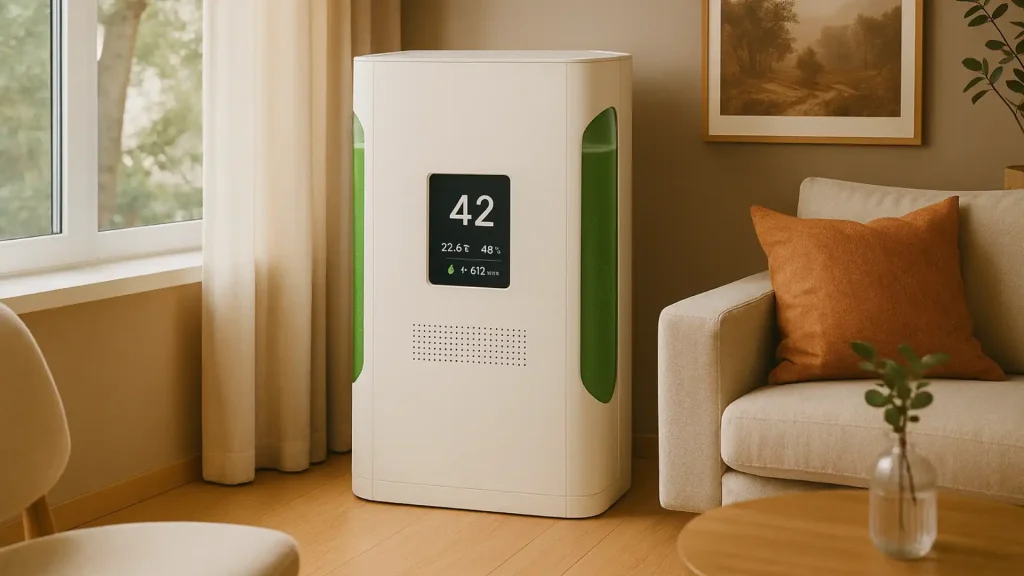
Modular algae air systems are advanced air purification and carbon capture solutions that use living microalgae cultivated in controlled photobioreactors. Through photosynthesis, microalgae absorb carbon dioxide (CO₂) from surrounding air and convert it into oxygen and biomass.
Unlike conventional air purification systems, which rely on mechanical filters or chemical processes, algae systems operate as living infrastructure. Their modular design allows individual units to function independently while contributing to a larger, interconnected network. This makes them highly adaptable for deployment across buildings, public spaces, transportation hubs, and dense urban corridors.
Why Traditional Urban Air Solutions Are No Longer Enough
Most existing urban air quality solutions were designed for indoor or localized use. While technologies like HEPA filtration are effective at removing particulate matter, they do not address broader atmospheric challenges.
Key limitations of conventional systems include:
- No direct CO₂ removal
- High energy consumption
- Lack of oxygen regeneration
- Limited effectiveness in outdoor or semi-open environments
As cities confront climate change, rising CO₂ concentrations, and declining air freshness, these limitations become more apparent. Modular algae air systems address these gaps by working continuously through biological processes, offering carbon reduction, oxygen generation, and air purification in a single solution.
How Modular Algae Air Systems Work
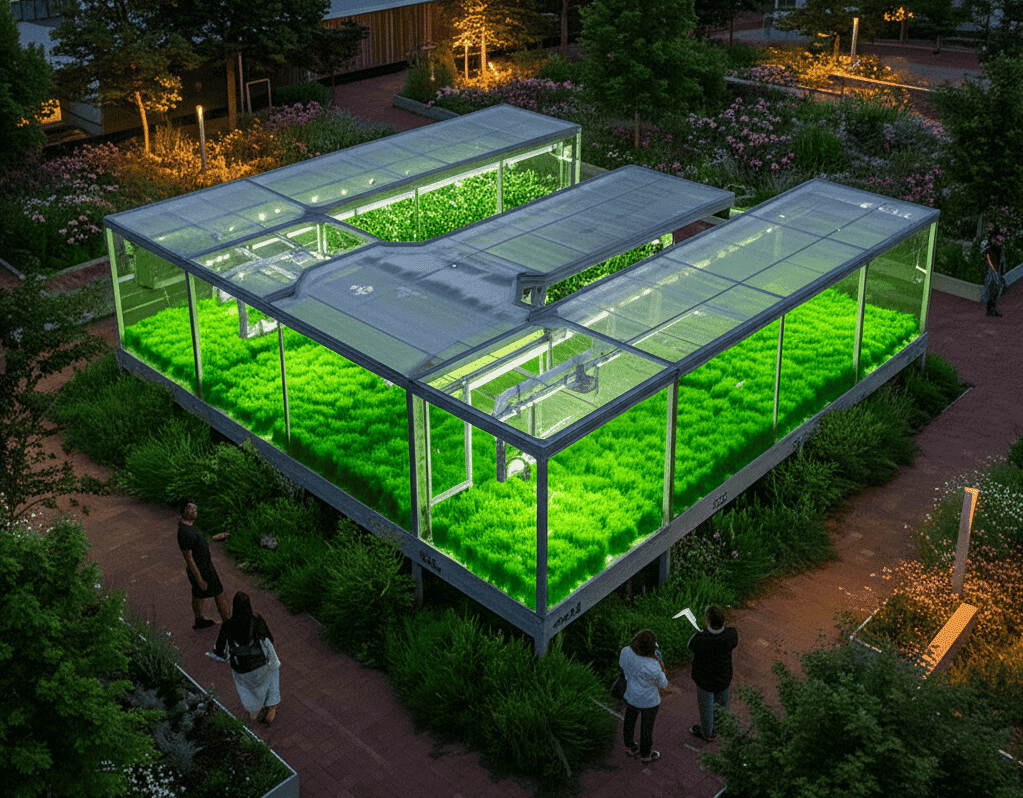
At the core of each system is a photobioreactor, where microalgae are cultivated under optimized conditions.
The process includes:
- Air intake: Ambient air containing CO₂ is directed into the system
- Photosynthesis: Microalgae absorb CO₂ and convert it into oxygen and biomass using light energy
- Oxygen release: Cleaner, oxygen-enriched air is released back into the environment
- Biomass management: Algal biomass can be harvested and reused for sustainable applications
System performance is enhanced by controlling variables such as light exposure, nutrient flow, water circulation, and CO₂ concentration. Compared to trees, microalgae can capture significantly more CO₂ per square meter, making them especially suitable for space-constrained urban settings.
Modular Design and Smart City Integration
A defining advantage of algae air systems is their modular architecture. Each unit can operate independently or be connected into a larger network, allowing cities to scale deployment based on need. Industrial CCUS
This modularity enables:
- Flexible installation on building facades, rooftops, plazas, and transit zones
- Gradual expansion from pilot projects to city-wide networks
- Integration with IoT sensors and digital monitoring platforms
When paired with smart city infrastructure, these systems can provide real-time data on air quality, CO₂ levels, and system efficiency—supporting data-driven urban planning and sustainability reporting.
Environmental, Health, and Climate Benefits
1. Active Carbon Capture
Microalgae continuously remove CO₂ from ambient air, supporting urban carbon reduction goals and complementing broader climate mitigation strategies. Direct Air Capture
2. Oxygen Regeneration
By releasing oxygen through photosynthesis, algae systems help improve air freshness in dense environments where natural airflow and greenery are limited.
3. Improved Public Health
Lower CO₂ concentrations and cleaner air contribute to better respiratory health, reduced fatigue, and improved overall well-being for urban populations.
4. Low-Energy Operation
Unlike mechanical filtration or chemical capture systems, algae-based solutions rely primarily on natural biological processes, resulting in lower operational energy demand.
Measurable Impact and ESG Alignment
Beyond environmental benefits, modular algae air systems deliver quantifiable outcomes, making them valuable tools for organizations and municipalities focused on transparency and accountability.
Measurable impacts include:
- Localized CO₂ concentration reduction
- Continuous oxygen generation
- Thermal comfort improvement through evaporative cooling
- Real-time air quality monitoring data
These metrics can be integrated into ESG reporting, sustainability dashboards, green building certifications, and climate disclosures, supporting compliance with evolving environmental regulations. Benefits of Algae-Based Air Purification Systems
Urban Use Cases for Modular Algae Air Systems
The adaptability of modular algae systems allows deployment across diverse urban contexts:
- Commercial buildings: Enhancing indoor–outdoor air balance
- Public spaces: Creating clean-air zones in high-footfall areas
- Transportation hubs: Reducing pollution exposure for commuters
- Educational campuses: Demonstrating living sustainability solutions
- Smart cities: Acting as decentralized carbon capture and air purification nodes
This flexibility enables targeted deployment where pollution impact is highest, rather than relying solely on centralized infrastructure.
Supporting a Circular Carbon Economy
Captured carbon does not need to be wasted. The biomass produced by microalgae can be repurposed into bio-materials, biofertilizers, or other sustainable products, reinforcing circular economy principles. This transforms modular algae air systems from standalone air solutions into contributors to resource efficiency and carbon reuse.
The Future of Urban Sustainability with Algae Systems
As cities transition toward climate-positive development, modular algae air systems are emerging as a bridge between ecology and technology. They do not replace trees, renewable energy, or emission reduction policies—but they significantly enhance their impact.
By converting urban infrastructure into active participants in air purification and carbon management, algae-based systems redefine how cities interact with the atmosphere. The future of sustainable urban living will depend on layered solutions, and modular algae air systems are positioned to become a core component of resilient, low-carbon city ecosystems. As adoption grows, these systems will play a critical role in shaping smarter, climate-positive urban spaces. you can get in touch with the Carbelim team to discuss your requirements.