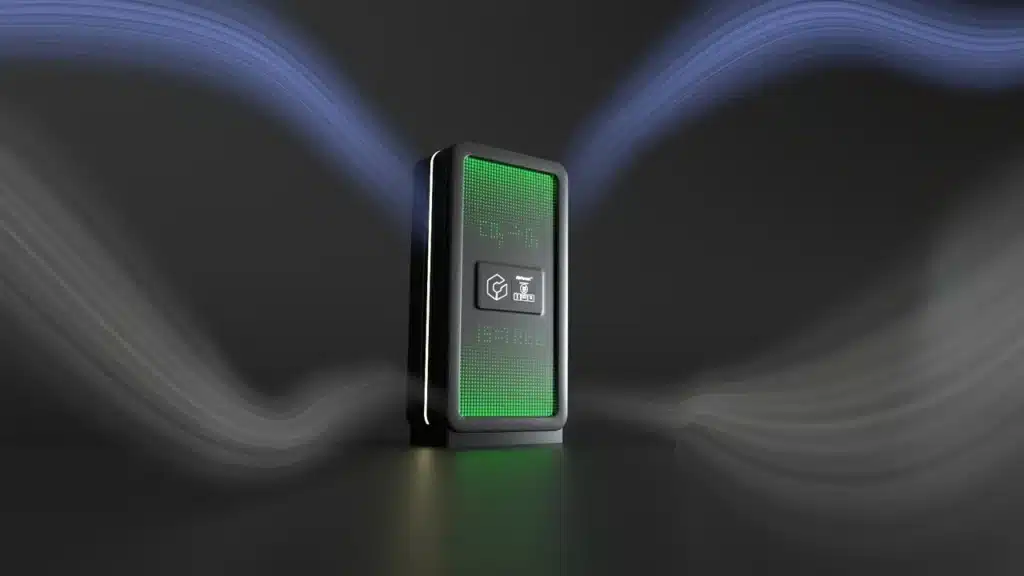
As conversations around air quality, carbon dioxide (CO₂), and sustainability continue to evolve, algae bioreactors are increasingly mentioned as a promising biological approach to air purification. Often misunderstood as small home gadgets or experimental DIY devices, algae bioreactors are, in reality, controlled biological systems primarily explored in research, industrial, and large-scale environmental applications.
This article explains what algae bioreactors are, how they function, and why they are being studied as part of broader air purification and carbon management strategies. Rather than presenting a consumer guide, this article aims to provide a clear, realistic understanding of algae bioreactors as a biological concept for air purification.
biological carbon sequestration
Understanding the Challenge of Air Purification Beyond Filtration
Air purification is commonly associated with removing visible pollutants such as dust, smoke, and allergens. While mechanical filtration technologies have been effective in addressing particulate pollution, they do not solve every air quality challenge.
One of the most persistent indoor and urban air issues is carbon dioxide accumulation. CO₂ is continuously generated by human activity, is invisible and odorless, and cannot be captured by standard filters. As buildings become more energy-efficient and sealed, CO₂ levels can rise even when particulate pollution appears low.
This limitation has led researchers and engineers to explore biological processes that naturally interact with carbon dioxide, rather than attempting to trap or filter it mechanically.
What Is an Algae Bioreactor?
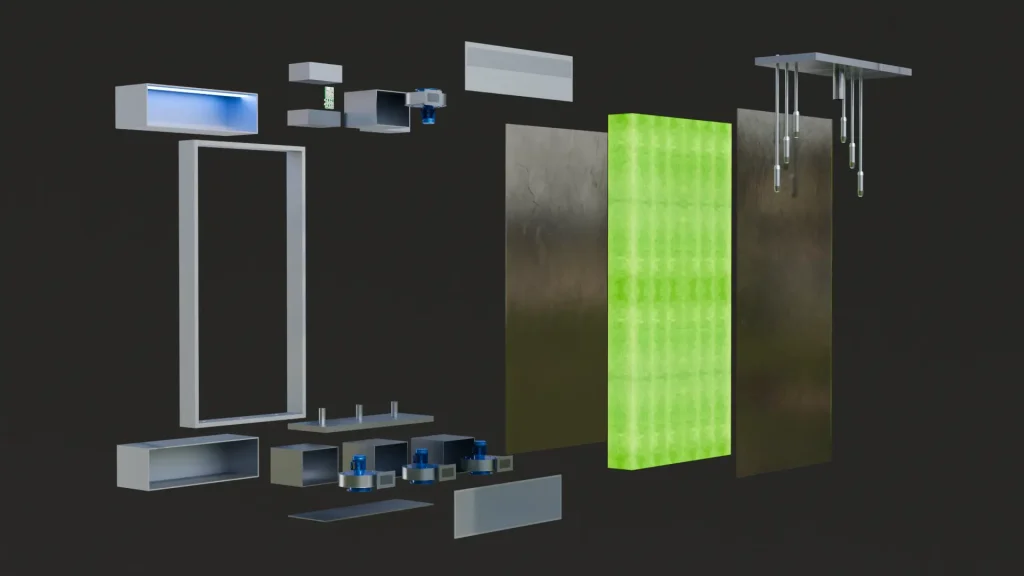
An algae bioreactor is a controlled system designed to cultivate microalgae under specific environmental conditions. These systems provide algae with light, nutrients, and carbon dioxide to enable photosynthesis.
During photosynthesis:
- Carbon dioxide is absorbed
- Oxygen is released
- Algal biomass grows as a by-product
Unlike houseplants, which interact with air passively, algae bioreactors are designed to optimize biological efficiency by controlling exposure, circulation, and growth conditions.
Algae bioreactors are not appliances. They are engineered biological systems used in laboratories, pilot projects, industrial research, and environmental demonstrations.
How Algae Interact With Carbon Dioxide
Microalgae are among the most efficient photosynthetic organisms on Earth. Compared to terrestrial plants, algae can absorb carbon dioxide at higher rates per unit area under optimized conditions.
This efficiency makes algae particularly interesting for:
- Carbon capture research
- Biofuel development
- Wastewater treatment
- Air quality studies
In air-focused applications, algae bioreactors explore how biological processes can be used to continuously interact with CO₂, rather than intermittently filtering air.
Algae Bioreactors and Air Purification: What They Can and Cannot Do
It is important to clearly define the role of algae bioreactors in air purification.
What algae bioreactors CAN do:
- Absorb carbon dioxide through photosynthesis
- Release oxygen as a natural by-product
- Demonstrate biological air interaction in controlled environments
- Support research into low-energy carbon reduction methods
What algae bioreactors CANNOT do:
- Instantly “clean” air like mechanical purifiers
- Replace ventilation systems
- Function as plug-and-play home devices
- Operate without maintenance or monitoring
This distinction is critical for setting realistic expectations and avoiding misrepresentation of biological systems.
Why Algae Bioreactors Are Often Misunderstood as “Home Devices”
Online searches for “home algae bioreactor” often lead to confusion. Many people imagine a compact device that can be placed in a living room to replace traditional air purifiers. In practice, algae bioreactors require:
- Controlled lighting
- Nutrient management
- Monitoring of biological health
- Stable environmental conditions
These requirements make algae bioreactors unsuitable for casual consumer use. Their value lies in research, demonstration, and system-level applications, not in consumer DIY deployment.
The Role of Bioreactors in Biological Air Research
Algae bioreactors are most commonly used to:
- Study biological carbon absorption rates
- Test system configurations
- Explore integration with built environments
- Evaluate long-term operational stability
In the context of air purification, bioreactors act as experimental platforms, helping researchers understand how biological systems behave when exposed to air streams containing carbon dioxide.
These insights inform the development of larger, more integrated systems rather than standalone consumer devices.
From Laboratory Systems to Built Environments
While algae bioreactors originate in laboratories, their principles have inspired larger-scale biological air systems designed for real-world environments.
At this scale:
- Systems are integrated into architecture
- Air interaction is continuous
- Biological processes operate as part of environmental infrastructure
Rather than focusing on “home use,” this transition reflects a shift toward building-level and urban-level applications, where air quality challenges are more pronounced and resources are available to maintain biological systems.
Biological Air Systems vs Mechanical Air Purification
Understanding algae bioreactors also requires comparing biological approaches with conventional mechanical methods.
Mechanical air purification:
- Removes particulate matter
- Operates on filtration or adsorption
- Requires consumables and replacement cycles
- Does not reduce CO₂
Biological air systems:
- Interact with carbon dioxide
- Operate continuously
- Rely on natural processes
- Emphasize balance rather than removal
These approaches are not mutually exclusive. In many cases, biological systems are explored as complementary layers within a broader air quality strategy.
Energy and Sustainability Considerations
One of the reasons algae bioreactors attract interest is their potential alignment with sustainability goals. Biological systems can operate with relatively low energy inputs compared to energy-intensive mechanical carbon capture technologies.
However, sustainability depends on:
- System design
- Energy source for lighting
- Operational efficiency
- Long-term maintenance practices
Bioreactors are not inherently sustainable by default; they must be designed and operated responsibly to achieve environmental benefits.
Algae Bioreactors and Carbon Management Research
Beyond air purification, algae bioreactors play a role in broader carbon research. The biomass produced through photosynthesis can be:
- Studied for reuse
- Processed into materials
- Evaluated for circular carbon strategies
This connection places algae bioreactors within the wider field of biological carbon management, rather than limiting them to air quality alone.
Where Algae Bioreactors Make Sense
Algae bioreactors are most appropriate in:
- Research institutions
- Universities and laboratories
- Pilot environmental projects
- Demonstration installations
- Climate and sustainability R&D programs
They are not designed for everyday household deployment. Recognizing this helps maintain scientific and commercial credibility.
Educational Value of Algae Bioreactors
Despite not being consumer products, algae bioreactors offer strong educational value. They help:
- Visualize carbon cycles
- Demonstrate photosynthesis in action
- Educate stakeholders about biological systems
- Inspire nature-based design thinking
As educational tools, bioreactors contribute to awareness around air quality, sustainability, and biological innovation.
Biological Systems and the Future of Air Quality Thinking
As air quality challenges become more complex, solutions are moving beyond single-technology fixes. Algae bioreactors represent a shift in thinking, where biological processes are explored alongside mechanical systems.
This approach reflects a broader trend toward:
- Hybrid air management strategies
- Nature-inspired engineering
- Long-term environmental integration
Rather than asking whether algae bioreactors can replace air purifiers, the more relevant question is how biological systems can support air quality at scale.
Setting the Right Expectations
Clear communication is essential when discussing algae bioreactors. Over-promising their capabilities or presenting them as consumer devices undermines trust and scientific integrity.
A realistic understanding recognizes that:
- Algae bioreactors are controlled biological systems
- Their role is research, demonstration, and system development
- Their value lies in informing scalable solutions
This clarity helps position biological air technologies responsibly.
Conclusion
Algae bioreactors are not home appliances, nor are they quick fixes for air quality challenges. They are engineered biological systems designed to explore how natural processes like photosynthesis can interact with carbon dioxide in controlled environments.
By studying algae bioreactors, researchers and innovators gain insights into biological air interaction, carbon management, and sustainable system design. These insights, in turn, inform the development of larger-scale solutions that integrate biology into buildings and urban environments.
Understanding algae bioreactors as conceptual and research tools—rather than consumer products—allows them to be appreciated for what they truly represent: a bridge between natural processes and engineered environments in the evolving field of air quality and sustainability.