
Introduction: The Next Evolution of Cities
Cities are at a breaking point.
They generate over 70% of global carbon emissions, consume massive energy, and struggle with worsening air quality. While renewable energy and efficiency improvements have helped reduce emissions, they are no longer sufficient to meet climate targets.
The future of urban sustainability lies in something far more transformative:
Urban Carbon Capture Networks
These networks represent a new layer of CO₂ infrastructure, where cities no longer just emit carbon—they actively capture, manage, and reuse it.
This paradigm shift transforms cities from passive emitters into active carbon management ecosystems, aligning environmental performance with economic resilience and technological innovation.
1. The Urban Carbon Challenge: A Strategic Imperative
Urban centers contribute approximately 70% of global CO₂ emissions, driven by dense transportation networks, industrial clusters, construction activities, and energy consumption. With projections indicating that nearly 68% of the global population will reside in cities by 2050, the urgency to embed carbon intelligence into urban planning has reached a tipping point.
Key structural challenges include:
- High emission density with limited land availability
- Fragmented infrastructure systems lacking integration
- Regulatory complexity across municipal, regional, and national levels
- Limited real-time monitoring capabilities
These constraints necessitate a network-based approach—one that is modular, scalable, and interoperable with existing urban systems.
2. Defining Urban Carbon Capture Networks (UCCNs)
Urban Carbon Capture Networks represent a distributed infrastructure layer that integrates carbon capture technologies across multiple nodes within a city. These nodes operate collaboratively, forming a network that captures, monitors, and potentially utilizes CO₂ in real time.
Core Components of UCCNs
1. Capture Nodes
Localized units deployed across urban hotspots such as:
- Traffic corridors
- Industrial zones
- Commercial buildings
- Public infrastructure (bus depots, metro stations, airports)
Technologies include:
- Direct Air Capture (DAC) systems
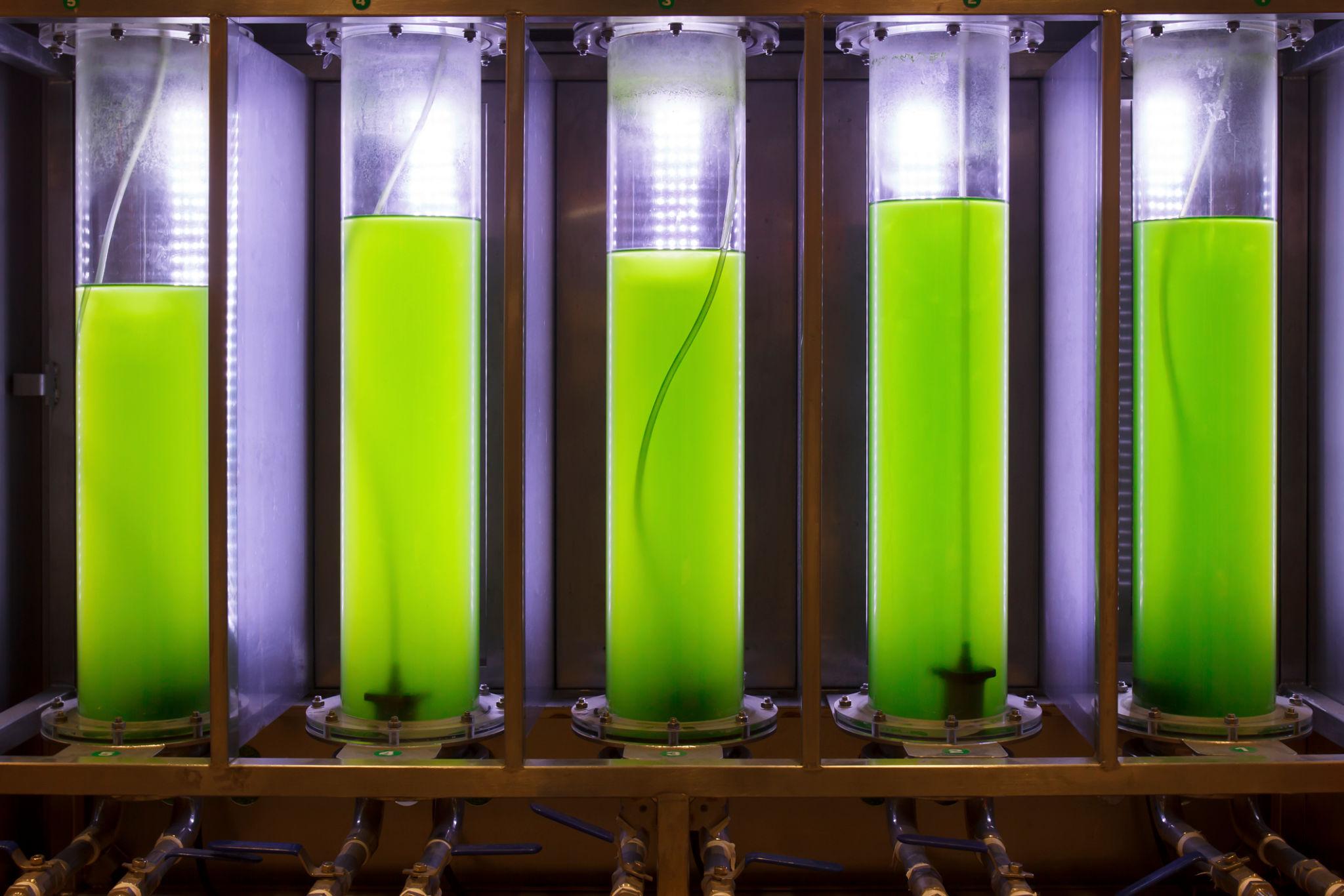
- Bio-based capture systems (e.g., microalgae photobioreactors)
- Hybrid filtration systems
2. Monitoring, Reporting, and Verification (MRV) Systems
A digital backbone that ensures:
- Real-time emissions tracking
- Data transparency
- Compliance with carbon accounting frameworks
3. Carbon Transport & Storage/Utilization Pathways
Captured CO₂ can be:
- Sequestered (underground or mineralized)
- Converted into value-added products (biofuels, materials, fertilizers)
- Integrated into circular carbon economies
4. Digital Integration Layer
AI-driven platforms that optimize:
- Capture efficiency
- Network coordination
- Predictive maintenance
- Policy compliance
3. Strategic Advantages of Urban Carbon Capture Networks
3.1 Decentralization and Scalability
Unlike centralized carbon capture facilities, UCCNs adopt a modular architecture, enabling incremental deployment without significant capital bottlenecks. This aligns with urban expansion patterns and allows for adaptive scaling.
3.2 Integration with Smart City Infrastructure
UCCNs seamlessly integrate with:
- IoT-enabled urban systems
- Smart grids
- Mobility networks
- Building management systems
This convergence creates a holistic urban intelligence layer, enhancing both sustainability and operational efficiency.
3.3 Real-Time Carbon Intelligence
The incorporation of MRV systems enables:
- Live emissions dashboards
- Data-driven policymaking
- Dynamic carbon pricing models
Cities transition from static reporting to continuous carbon visibility, a critical enabler for ESG compliance and climate financing.
3.4 Economic Value Creation
Beyond environmental benefits, UCCNs unlock new revenue streams:
- Carbon credits and offsets
- CO₂-derived products
- Infrastructure-as-a-service models
This positions carbon capture as a profit-generating asset class, rather than a cost center.
4. Technology Landscape: From DAC to Bio-Integrated Systems
4.1 Direct Air Capture (DAC)
DAC technologies chemically extract CO₂ directly from ambient air. While effective, they often face challenges related to:
- High energy consumption
- Capital intensity
- Limited urban adaptability
4.2 Bio-Based Carbon Capture (Microalgae Systems)
Emerging solutions leverage photosynthetic organisms, particularly microalgae, to capture CO₂ naturally.
Key advantages:
- Lower energy requirements
- Dual functionality (air purification + biomass generation)
- Aesthetic integration into urban landscapes
Microalgae systems can be embedded into:
- Building facades
- Public installations
- Industrial exhaust streams
This creates a nature-tech convergence, aligning sustainability with urban design.
4.3 Hybrid Systems
Combining mechanical and biological approaches, hybrid systems optimize:
- Capture efficiency
- Cost-effectiveness
- Environmental adaptability
These systems represent the next evolution of urban carbon infrastructure.
5. Use Cases: Operationalizing UCCNs in Cities
5.1 Transportation Corridors
Deploying capture nodes along highways and urban roads can mitigate emissions from:
- Internal combustion vehicles
- Public transport fleets
Integration with traffic management systems enables dynamic deployment strategies based on congestion patterns.
5.2 Commercial and Industrial Zones
High-emission clusters can host dense networks of capture units, supported by:
- On-site MRV systems
- Carbon utilization facilities
This creates localized carbon ecosystems with minimal transport overhead.
5.3 Smart Buildings
Buildings evolve into carbon-active assets, integrating:
- Facade-based capture systems
- Indoor air purification units
- Energy-carbon optimization platforms
5.4 Public Infrastructure
Airports, metro stations, and bus terminals become:
- High-impact capture hubs
- Demonstration sites for climate innovation
6. Policy and Regulatory Enablers
For UCCNs to scale effectively, enabling frameworks must address:
6.1 Standardization of MRV Protocols
Establishing unified metrics ensures:
- Credible carbon accounting
- Market trust
- Interoperability across systems
6.2 Incentive Structures
Governments can accelerate adoption through:
- Carbon credits
- Tax incentives
- Public-private partnerships
6.3 Urban Planning Integration
Carbon infrastructure must be embedded into:
- Zoning regulations
- Building codes
- Infrastructure development plans
7. Financing the Carbon Infrastructure Transition
Urban Carbon Capture Networks require innovative financing models that align public and private interests.
Key Funding Mechanisms:
- Green Bonds
- Climate Funds and Grants
- Corporate ESG Investments
- Carbon Markets and Offsets
Blended finance approaches can de-risk investments while ensuring scalability.
8. Challenges and Risk Considerations
Despite strong potential, UCCNs face several barriers:
8.1 Cost and ROI Uncertainty
Early-stage technologies may struggle to demonstrate immediate financial returns.
8.2 Infrastructure Integration Complexity
Retrofitting existing urban systems requires:
- Technical alignment
- Stakeholder coordination
8.3 Public Perception and Adoption
Awareness gaps can hinder deployment, necessitating:
- Transparent communication
- Visible impact metrics
8.4 Regulatory Fragmentation
Inconsistent policies across jurisdictions can slow scaling efforts.
| Benefits | Challenges |
|---|---|
| Cleaner air | High initial cost |
| Revenue generation | Policy gaps |
| Scalable systems | Awareness issues |
| Smart integration | Technology adoption |
9. The Role of AI and Data in Carbon Networks
Artificial Intelligence serves as a force multiplier within UCCNs by enabling:
- Predictive analytics for emission hotspots
- Optimization of capture efficiency
- Automated compliance reporting
- Integration with urban digital twins
This transforms carbon capture from a static process into a dynamic, adaptive system.
| Challenge | Impact | Solution via UCCNs |
|---|---|---|
| High emissions density | Poor air quality | Localized capture nodes |
| Lack of real-time data | Policy inefficiency | MRV systems |
| Space constraints | Limited infrastructure expansion | Modular deployment |
| Net-zero commitments | Regulatory pressure | Scalable captureWhy Cities Need Carbon Capture Infrastructure |
10. Future Outlook: Towards Carbon-Negative Cities
Urban Carbon Capture Networks are not merely a mitigation tool—they are a strategic enabler for carbon-negative cities.
Key Trends Shaping the Future:
- Decentralized carbon marketplaces
- Integration with circular economy models
- Expansion of bio-based capture technologies
- Convergence with climate-resilient infrastructure
Cities that proactively invest in UCCNs will gain:
- Competitive advantage in sustainability rankings
- Access to global climate finance
- Enhanced resilience against regulatory and environmental risks
11. Strategic Roadmap for Implementation
To operationalize UCCNs, stakeholders should adopt a phased approach:
Phase 1: Pilot and Validation
- Deploy small-scale networks in high-impact zones
- Validate technology performance and ROI
Phase 2: Integration and Scaling
- Integrate with smart city systems
- Expand across multiple urban nodes
Phase 3: Ecosystem Development
- Establish carbon utilization pathways
- Enable market mechanisms and partnerships
Phase 4: Full-Scale Deployment
- Achieve city-wide coverage
- Transition towards carbon-negative status
12. Conclusion: Reimagining Urban Infrastructure
Urban Carbon Capture Networks represent a paradigm shift in how cities engage with carbon. By embedding capture capabilities into the fabric of urban infrastructure, cities can transition from reactive mitigation to proactive carbon management.
This transformation is not just environmental—it is economic, technological, and strategic. As cities evolve into intelligent, self-regulating ecosystems, carbon becomes a managed variable rather than an externality.
For forward-looking stakeholders—governments, enterprises, and innovators—the message is clear:
The future of smart cities is not just digital—it iscarbon-aware, carbon-active, and carbon-resilient.