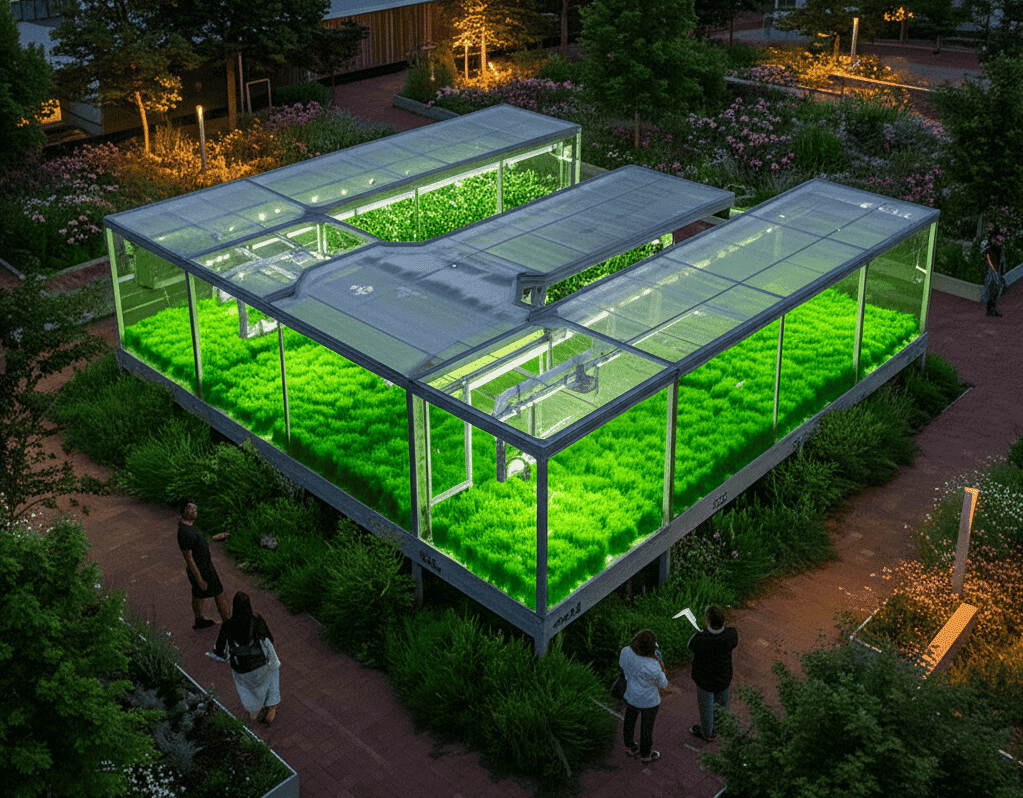
Introduction
Traditional carbon capture technology has primarily focused on industrial applications, but the latest carbon capture technology is revolutionizing how we think about indoor environments. Imagine walking into a building where the walls actively clean the air, absorbing carbon dioxide and releasing fresh oxygen—all powered by nature’s most efficient carbon processors: microalgae. As urban spaces grapple with deteriorating air quality and rising CO2 levels, algae CO2 capture systems are emerging as a game-changing solution that transforms ordinary indoor spaces into living, breathing ecosystems. This innovative approach doesn’t just filter air; it fundamentally reimagines how buildings interact with the environment, offering carbon capture companies and sustainability leaders a practical path toward net-zero indoor environments.
Key Takeaways
- Nature-Powered Innovation: Algae-based carbon capture technology captures CO2 up to 400 times more efficiently than traditional trees, making it ideal for space-constrained indoor environments.
- Dual Benefits: These systems simultaneously improve indoor air quality while producing valuable bio-products like spirulina and omega-3 oils, creating a circular economy within buildings.
- Scalable Urban Solution: Modern algae CO2 capture systems integrate seamlessly into building facades, office spaces, and public areas without requiring extensive retrofitting or infrastructure changes.
Understanding Carbon Capture Technology in Indoor Environments
Carbon capture technology represents a critical tool in our fight against climate change, but its application in indoor spaces marks a paradigm shift. Unlike conventional HVAC systems that merely circulate air, advanced carbon capture solutions actively remove CO2 from enclosed environments while generating oxygen through photosynthesis. This biological approach harnesses microalgae—microscopic organisms that have been perfecting carbon fixation for billions of years—to create self-sustaining air purification ecosystems.
The science behind this process is remarkably efficient. Microalgae can capture carbon at rates up to 10-50 times faster than terrestrial plants per unit area. When integrated into indoor spaces through specialized photobioreactor systems, these microscopic powerhouses convert ambient CO2 into biomass through photosynthesis, effectively turning your building into a carbon sink. For urban environments where space is premium and air quality concerns are paramount, this technology offers an unprecedented opportunity to address both challenges simultaneously. Research indicates that a single square meter of algae cultivation can sequester approximately 2.5 kilograms of CO2 daily—equivalent to the carbon capture capability of several mature trees.
Why Algae-Based Systems Outperform Traditional Solutions
The superiority of algae CO2 capture systems over conventional carbon capture methods becomes evident when examining their efficiency, adaptability, and sustainability metrics. Traditional mechanical carbon capture systems require significant energy inputs, ongoing maintenance, and chemical sorbents that need regular replacement. In contrast, biological carbon capture through algae operates as a living system that requires minimal intervention once established.
Key Performance Advantages:
- Energy Efficiency: Algae systems utilize natural photosynthesis, requiring only light and nutrients—dramatically reducing the energy footprint compared to mechanical systems that can consume up to 30% of a facility’s energy output.
- Space Optimization: Vertical integration capabilities allow algae systems to occupy wall spaces, windows, and rooftops without competing for valuable floor space, making them ideal for high-density urban buildings.
- Continuous Operation: Unlike traditional plants that slow down photosynthesis at night, properly designed algae systems can maintain consistent CO2 absorption when supplemented with artificial lighting during non-daylight hours.
- Scalability: Modular designs enable installations ranging from small office deployments to entire building facades, allowing organizations to scale their carbon capture capabilities based on specific needs and budgets.
Among carbon capture companies pioneering this technology, innovations like Carbelim Biomimetic Facade™ demonstrate how architectural elements can be transformed into functional carbon capture infrastructure. These integrated systems don’t just add environmental benefits—they create aesthetically striking installations that serve as visible commitments to sustainability.
The Technology Behind Algae-Based Indoor Carbon Capture
Understanding how the latest carbon capture technology translates biological processes into practical indoor solutions requires examining the key components that make these systems functional and effective. Modern algae-based systems consist of several integrated elements working in harmony to create optimal carbon capture conditions.
Core System Components:
Photobioreactor Design: These transparent vessels house microalgae cultures in controlled environments, typically featuring specialized glass or acrylic panels that maximize light transmission while maintaining structural integrity. Advanced designs incorporate circulation systems that ensure uniform light distribution and nutrient delivery throughout the culture medium.
LED Lighting Integration: Strategic placement of energy-efficient LED lights supplements natural daylight, particularly important for interior spaces with limited solar exposure. Modern systems use specific light spectrums (typically red and blue wavelengths) that optimize photosynthetic efficiency while minimizing energy consumption.
Climate Control Systems: Temperature, pH, and nutrient levels are monitored and adjusted through automated control systems. These smart systems respond to environmental changes in real-time, ensuring algae cultures maintain peak performance regardless of external conditions.
Harvesting and Processing: Automated harvesting mechanisms periodically extract mature algae biomass, preventing overgrowth while ensuring continuous carbon capture capacity. The harvested biomass can be processed into various bio-products, creating additional value streams.
The beauty of this technology lies in its biomimicry—replicating natural ecosystems within built environments. When you explore direct air capture solutions, you’ll find that while mechanical systems excel in industrial applications, biological systems offer unique advantages for spaces where humans live and work. The visual appeal of living, green walls combined with measurable air quality improvements creates a compelling case for adoption in offices, hotels, shopping centers, and residential complexes.
Real-World Applications: Transforming Indoor Spaces
The practical implementation of carbon capture technology in indoor environments has progressed from experimental installations to mainstream architectural features across diverse building types. Understanding these real-world applications helps illustrate the versatility and impact of algae-based systems.
Corporate Office Buildings: Progressive companies are integrating algae walls into their office designs as both functional air purification systems and visual representations of their sustainability commitments. These installations typically reduce indoor CO2 levels by 15-25%, creating noticeably fresher work environments that boost employee productivity and well-being. Open-concept offices, which often struggle with air quality due to high occupancy densities, benefit significantly from distributed algae panel installations that target problem areas.
Healthcare Facilities: Hospitals and medical centers represent ideal candidates for algae-based carbon capture given their stringent air quality requirements and 24/7 operation. These systems complement existing HVAC infrastructure by providing continuous biological air purification without the chemical byproducts associated with some traditional air treatment methods. Several pilot programs have documented reduction in airborne pathogens and improved patient recovery times in rooms featuring algae air purification systems.
Educational Institutions: Universities and research facilities are embracing this technology both as a practical sustainability measure and an educational tool. Living laboratories allow students to observe carbon capture in action while contributing to campus-wide sustainability goals. Some institutions have integrated algae systems into their biology and environmental science curricula, transforming carbon capture infrastructure into hands-on learning opportunities.
Retail and Hospitality: Shopping centers, hotels, and restaurants are discovering that algae installations create memorable aesthetic experiences while addressing indoor air quality concerns. These spaces benefit from the dual appeal of striking visual features and measurable environmental improvements, enhancing brand perception among increasingly sustainability-conscious consumers.
Real-world data from carbon capture and utilization implementations shows that buildings with integrated algae systems typically achieve 20-40% reductions in their carbon footprint while simultaneously lowering HVAC operational costs by 10-15% through reduced mechanical air treatment requirements.
Implementation Considerations and Best Practices
Successfully deploying carbon capture technology in indoor environments requires careful planning, proper system design, and ongoing management. Organizations considering algae-based systems should evaluate several critical factors to ensure optimal performance and return on investment.
Space Assessment and Design Integration: Begin by conducting thorough spatial analysis to identify ideal locations for algae installations. South-facing walls with ample natural light offer optimal conditions, but modern LED supplementation makes virtually any location viable. Consider visual sight lines, accessibility for maintenance, and integration with existing building systems during the planning phase. Architects and designers should collaborate early in the process to ensure seamless aesthetic and functional integration.
System Sizing and Capacity Planning: Proper sizing depends on multiple variables including building occupancy, existing ventilation rates, target air quality metrics, and available installation space. As a general guideline, plan for approximately 0.5-1 square meter of algae cultivation surface per 100 square meters of indoor space for noticeable CO2 reduction. High-density occupancy areas like conference rooms and auditoriums may require higher ratios.
Maintenance Protocols: While algae systems are relatively low-maintenance compared to mechanical alternatives, establishing clear protocols ensures long-term performance. Typical maintenance includes monthly nutrient supplementation, quarterly system cleaning, and semi-annual biomass harvesting. Designate trained personnel or contract with specialized service providers who understand the biological nature of these systems.
Performance Monitoring: Implement continuous monitoring of key metrics including CO2 levels, oxygen production, algae growth rates, and system efficiency. Modern smart building platforms can integrate algae system data with other environmental controls, providing comprehensive building performance insights. Regular monitoring enables early detection of issues and optimization opportunities.
Regulatory Compliance: Verify that proposed installations comply with local building codes, health regulations, and environmental standards. While biological carbon capture systems generally face fewer regulatory hurdles than chemical or mechanical alternatives, some jurisdictions have specific requirements for water usage, biomass disposal, or structural modifications.
Organizations exploring industrial CCUS applications will find that many lessons learned from large-scale implementations translate effectively to indoor environments, though with important scaling considerations and operational differences.
Economic and Environmental Benefits
The business case for implementing algae-based carbon capture technology extends beyond environmental credentials to encompass tangible financial and operational advantages that appeal to stakeholders across public and private sectors.
Cost-Benefit Analysis: Initial installation costs for algae systems typically range from $300-600 per square meter depending on system sophistication, integration complexity, and site-specific requirements. While this represents a significant upfront investment, the long-term economics prove compelling. Operational costs average $2-4 per square meter annually for nutrients, maintenance, and monitoring—substantially lower than equivalent mechanical air treatment systems.
Energy Savings: Buildings with integrated algae systems report average energy consumption reductions of 8-12% attributable to decreased HVAC loads. By naturally conditioning air, these biological systems reduce the burden on mechanical heating, cooling, and ventilation equipment. In large commercial buildings, this translates to annual savings of tens of thousands of dollars while extending the operational lifespan of HVAC equipment through reduced duty cycles.
Carbon Credit Opportunities: As carbon markets mature and regulations tighten, organizations with verifiable carbon capture capabilities are positioned to benefit from carbon credits and offset programs. Algae systems provide quantifiable, measurable carbon sequestration data that meets emerging verification standards, potentially generating additional revenue streams or compliance credits.
Bio-Product Value Creation: The biomass harvested from algae systems represents raw material for various high-value products. Spirulina, a nutritious superfood, commands premium prices in health and wellness markets. Algae-derived omega-3 oils offer sustainable alternatives to fish-based supplements. Beta-carotene, proteins, and biofuels represent additional commercialization opportunities, creating circular economy models where carbon capture generates saleable products.
Property Value Enhancement: Green building certifications like LEED, BREEAM, and WELL increasingly recognize biological carbon capture systems in their rating criteria. Properties with these installations often command rental premiums of 5-10% and experience higher tenant retention rates. The visual appeal and environmental performance of algae installations contribute to brand differentiation and market positioning.
Health and Productivity Gains: Improved indoor air quality correlates with measurable improvements in cognitive function, reduced sick days, and enhanced employee satisfaction. Studies indicate that workers in buildings with superior air quality demonstrate 6-9% productivity improvements. For organizations where personnel costs represent the largest budget items, even marginal productivity gains substantially outweigh the investment in air quality improvements.
When compared to other solutions offered by leading carbon capture companies, algae-based systems stand out for their ability to generate multiple value streams simultaneously—a crucial consideration as organizations seek sustainability investments that deliver both environmental and financial returns.
Future Trends and Innovations
The trajectory of carbon capture technology, particularly algae-based systems for indoor applications, points toward increasingly sophisticated, integrated, and user-friendly solutions that will further accelerate adoption across building types and geographies.
Smart Building Integration: Next-generation systems will feature enhanced connectivity with building management platforms, enabling dynamic optimization based on real-time occupancy patterns, outdoor air quality conditions, and energy prices. Machine learning algorithms will predict carbon capture needs and automatically adjust system parameters to maximize efficiency while minimizing operational costs. Imagine buildings that autonomously respond to air quality degradation by ramping up algae system activity, all coordinated through centralized control systems.
Enhanced Algae Strains: Ongoing research into genetic optimization and strain selection promises algae varieties specifically engineered for indoor cultivation. These advanced strains may exhibit higher CO2 capture rates, greater tolerance to indoor environmental conditions, or enhanced production of specific bio-products. Researchers are exploring hybrid systems that cultivate multiple algae species simultaneously, each optimized for different aspects of air purification and value creation.
Modular and Prefabricated Systems: Manufacturing advances are driving toward standardized, modular algae panels that significantly reduce installation complexity and costs. Prefabricated units that arrive on-site ready for quick deployment will lower barriers to entry for smaller organizations and retrofit applications. Plug-and-play designs will democratize access to this technology, moving it from niche sustainability showcases to mainstream building features.
Integration with Other Green Technologies: Future implementations will increasingly combine algae-based carbon capture with complementary technologies like solar panels, rainwater harvesting systems, and geothermal climate control. These integrated approaches maximize synergies—for instance, using excess solar energy to power algae cultivation systems during peak production hours or utilizing captured rainwater as culture medium.
Policy and Incentive Developments: Growing recognition of biological carbon capture’s potential is driving policy discussions around incentives, regulations, and standards. Anticipated developments include tax credits for building owners implementing verified carbon capture systems, updated building codes that incorporate carbon neutrality requirements, and expanded carbon market mechanisms that fairly compensate biological sequestration. Forward-thinking jurisdictions are already exploring mandates for new construction to include carbon capture capabilities as a standard feature.
As these innovations mature, the latest carbon capture technology will likely become as ubiquitous in buildings as fire suppression systems or emergency lighting—essential infrastructure that protects both building occupants and the broader environment. Organizations that embrace these systems early position themselves as sustainability leaders while gaining valuable operational experience that will prove advantageous as adoption accelerates.
Conclusion
Carbon capture technology has evolved dramatically from industrial-scale machinery to elegant biological systems that transform how we design and operate indoor spaces. Algae-based solutions represent a convergence of environmental necessity and technological innovation, offering practical, economically viable pathways to dramatically reduce the carbon footprint of our built environment. From corporate offices to healthcare facilities, educational institutions to retail spaces, algae CO2 capture systems are proving their worth through measurable improvements in air quality, energy efficiency, and overall environmental performance.
The beauty of this approach lies in its biomimicry—harnessing processes that nature has refined over billions of years to address contemporary challenges. As organizations worldwide intensify their sustainability efforts, the integration of living carbon capture systems into buildings will transition from innovative experiment to industry standard. Whether you’re an architect designing the next generation of green buildings, a facility manager seeking to enhance workplace environments, or a sustainability officer tasked with achieving ambitious carbon reduction targets, algae-based carbon capture technology offers a proven solution that delivers both environmental and economic benefits. The future of indoor spaces is not just carbon-neutral—it’s carbon-negative, and that future is being built today, one algae panel at a time.
Ready to transform your indoor spaces with cutting-edge carbon capture technology? Contact Carbelim to learn how our biomimetic solutions can help your organization achieve its sustainability goals while creating healthier, more productive environments.
What is carbon capture technology and why is it important?
Carbon capture technology removes CO2 from the atmosphere or emission sources, helping combat climate change. It prevents greenhouse gases from entering the environment, reduces carbon footprints, and enables organizations to meet sustainability goals while improving air quality in urban spaces.
How does the latest carbon capture technology differ from traditional methods?
The latest carbon capture technology uses biological processes like microalgae cultivation rather than energy-intensive chemical absorption. These advanced systems capture CO2 faster, require less energy, integrate seamlessly into buildings, and produce valuable bio-products, making them more sustainable and economically viable.
Which carbon capture companies are leading the indoor air purification market?
Leading carbon capture companies focus on algae-based solutions for buildings. Carbelim specializes in biomimetic technologies that transform building facades into carbon sinks. These innovators combine architectural design with biological carbon capture for scalable, efficient indoor air purification systems.
What are algae CO2 capture systems and how do they function?
Algae CO2 capture systems use photosynthetic microalgae in controlled bioreactors to absorb carbon dioxide and produce oxygen. These living systems capture CO2 10-50 times more efficiently than trees per unit area, making them ideal for space-limited indoor environments requiring maximum carbon reduction.
Can carbon capture technology work effectively in residential buildings?
Yes, modern carbon capture technology scales effectively for residential use. Homeowners can install modular algae panels that improve air quality, reduce energy costs, and create attractive living walls. These systems adapt to various building sizes, from apartments to large homes, providing sustainable solutions.
What is the ROI timeline for implementing algae CO2 capture systems?
Most organizations recover their investment in algae CO2 capture systems within 5-7 years through energy savings, carbon credits, and bio-product revenue. Buildings typically achieve 8-12% energy reduction immediately, while long-term benefits include improved property value and reduced operational costs.
How does carbon capture technology improve employee health and productivity?
Carbon capture technology reduces indoor CO2 levels by 15-25%, significantly improving cognitive function and focus. Studies show 6-9% productivity increases in spaces with superior air quality. Lower CO2 concentrations reduce headaches, fatigue, and sick days while enhancing overall workplace satisfaction.
What maintenance do indoor carbon capture systems require?
Indoor carbon capture systems need minimal maintenance compared to mechanical alternatives. Monthly nutrient supplementation, quarterly cleaning, and semi-annual biomass harvesting ensure optimal performance. Automated monitoring systems track performance continuously, alerting operators only when intervention is necessary, reducing labor requirements significantly.
Are algae-based carbon capture systems environmentally safe for indoor use?
Absolutely. Algae-based systems are completely safe for indoor environments. The microalgae used are non-toxic species cultivated in sealed bioreactors, preventing any contact with building occupants. These systems naturally purify air without chemicals, producing only oxygen and organic biomass as byproducts.
How quickly can buildings implement the latest carbon capture technology?
Building implementation timelines for the latest carbon capture technology range from 2-6 weeks depending on scale. Modular designs enable rapid deployment with minimal disruption. New constructions integrate systems during initial building phases, while retrofits can occur during normal business operations without shutdowns.