
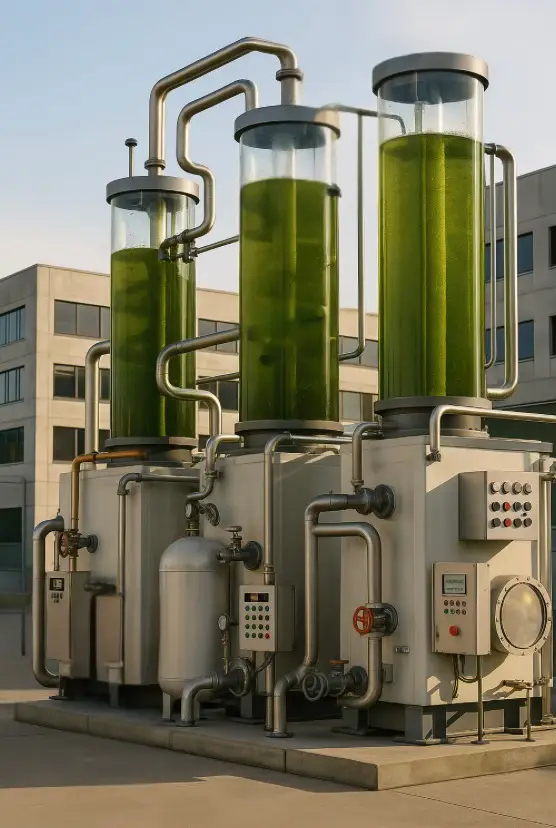
Industrial CCUS Solutions
Carbelim delivers a next-generation Industrial CCUS (Carbon Capture, Utilisation & Storage) framework engineered for the world’s most challenging emission sources.
Advanced Microalgae-Based Carbon Capture for Hard-to-Abate Sectors
Carbelim delivers a next-generation Industrial CCUS (Carbon Capture, Utilisation & Storage) framework engineered for the world’s most challenging emission sources. Our proprietary microalgae photobioreactor systems transform industrial CO₂ streams ranging from flue gas, digester off-gas, fermentation CO₂, and decomposition emissions into valuable biomass, engineered biochar, and high-integrity CDR credits.
Designed for decarbonisation of biogas plants, food & beverage industries, glass and furnace operations, steel and cement facilities, wastewater plants, and organic waste systems, Carbelim’s CCUS platform provides scalable, low-energy, verifiable carbon removal that integrates seamlessly into existing industrial infrastructure. Our solution addresses the urgent need for practical, cost-effective decarbonisation pathways in sectors where traditional carbon capture approaches have proven economically prohibitive or technically infeasible.
Why Carbelim's Industrial CCUS Is Different
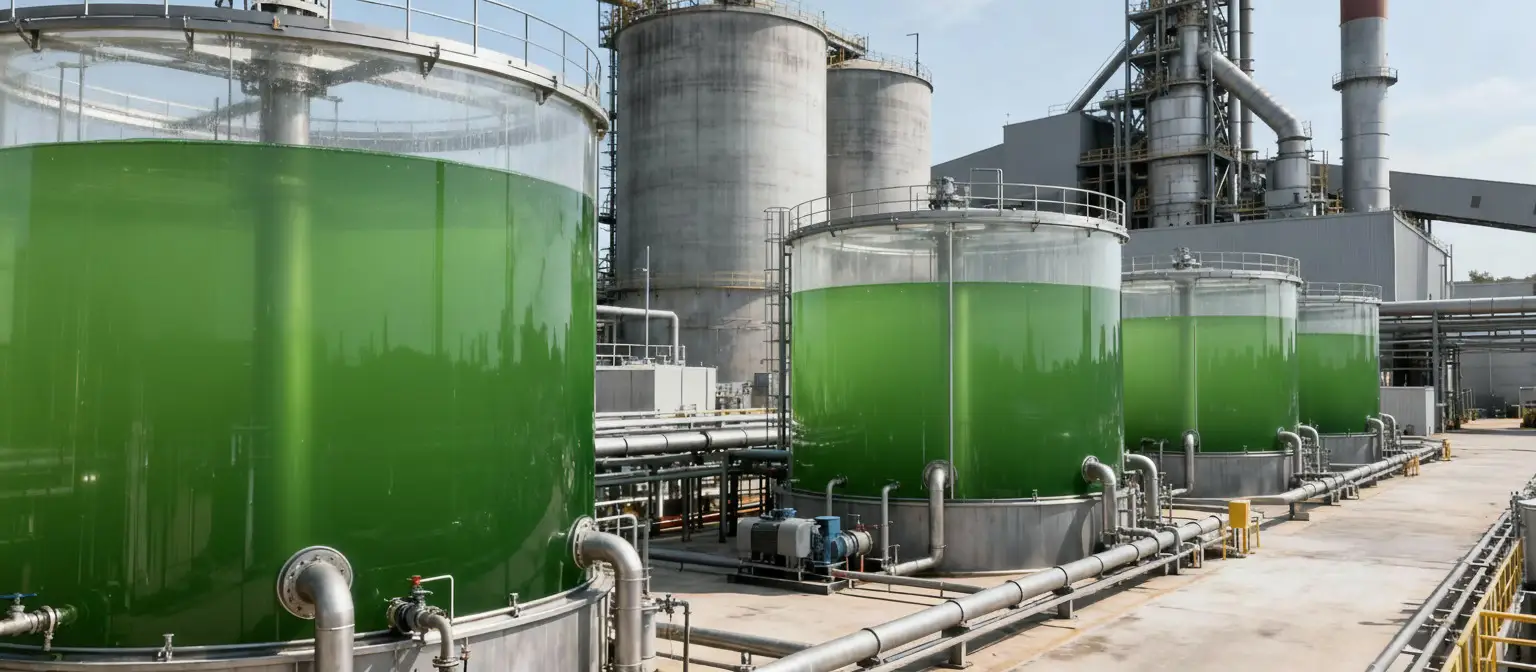
Unlike conventional CCS, which is expensive, chemical-intensive, and difficult to scale, Carbelim applies biological CO₂ fixation using advanced trained microalgae strains. Our approach fundamentally reimagines industrial carbon management by harnessing natural photosynthetic processes at industrial scale.
Low Energy Consumption
Significantly reduced operational costs compared to chemical absorption methods
High CO₂ Capture Efficiency
Superior fixation rates through optimised microalgae strains
Continuous Biomass Generation
Ongoing production of valuable by-products from captured carbon
Biochar-Based Long-Duration Storage
Engineered biochar provides 300–1,000+ years of verified carbon sequestration, meeting the most stringent permanence requirements for carbon removal credits.
Fully MRV-Enabled Credit Generation
Comprehensive Measurement, Reporting & Verification systems ensure audit-ready, high-integrity carbon credits that satisfy international standards.
Circular, Zero-Waste Integration
Every component of our process generates value from biomass production to biochar creation eliminating waste streams entirely.
Biogas CCUS - Turning Biogas CO₂ into Carbon Assets
Capture and Recycle CO₂ from Biogas Upgrading and Digesters
How It Works
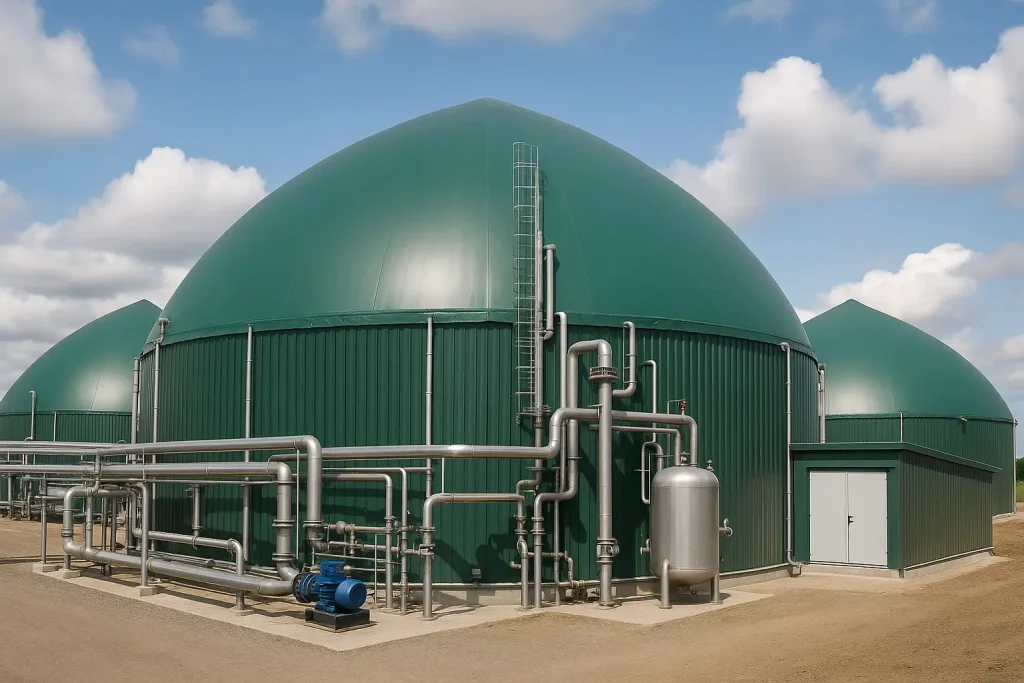
- CO₂ from scrubbers and digesters is injected into Carbelim bioreactors
- Microalgae convert CO₂ into dense biomass through accelerated photosynthesis
- Biomass is processed into microalgae-enhanced engineered biochar
- Biochar ensures 300–1,000+ years of carbon storage
- Facilities generate BECCS-qualified carbon removal credits
Increased Upgrading Efficiency
Enhances biomethane production whilst simultaneously capturing process emissions
Reduced Digestion Emissions
Captures CO₂ from anaerobic digestion processes before atmospheric release
Circular Bioeconomy Support
Integrates carbon capture into closed-loop waste-to-energy systems
High-Value CDR Credits
Generates premium carbon removal credits with verified permanence
Carbon-Negative Operations
Enables biogas facilities to achieve net-negative carbon emissions
F&B CO₂ — Fermentation Carbon Capture
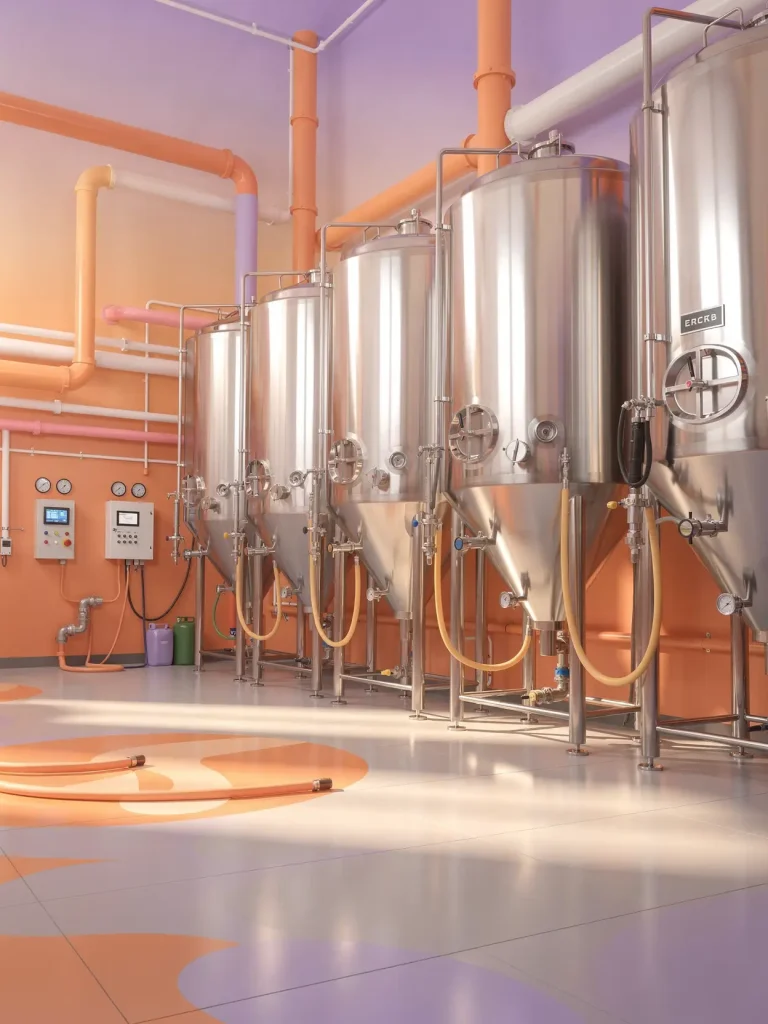
Capture Fermentation CO₂ from Breweries & Food Processing Plants
CO₂ Routing
CO₂ vented from fermenters is routed directly into Carbelim photobioreactors.
Rapid Fixation
High purity enables extremely fast algal carbon fixation rates.
Biochar Production
Biomass undergoes pyrolysis to create nutrient-enhanced engineered biochar.
Credit Generation
MRV data ensures audit-ready carbon credits meeting international standards.
Reduces Scope 1 Emissions
Directly addresses process emissions at source, improving carbon accounting and regulatory compliance
Increases Sustainability Ratings
Supports BRC, FSSC 22000, and ISO-14064 certification requirements whilst enhancing ESG performance
Premium CDR Credit Generation
Enables breweries and food processors to generate removal-based carbon credits with verified permanence
Multi-Application Integration
Perfect for beverage carbonation, distillation, fermentation, and dairy operations across the F&B sector
Furnace CCUS — High-Temperature Flue-Gas Capture
CCUS for Glass, Ceramics, Metal Melting, Kilns & High-Temperature Industries
Furnace operations emit hot, CO₂-rich flue gas along with other pollutants. Carbelim uses a thermal conditioning unit to cool, clean, and route flue gas into algae bioreactors for biological capture. This approach addresses one of the most technically challenging emission profiles in industrial operations.
Reduced Furnace Emissions
Addresses emissions from the most carbon-intensive industrial heating processes
Minimal Operational Disruption
Operates alongside existing chimneys and exhaust systems with minimal downtime during installation
Revenue Generation
Creates a predictable carbon credit revenue line to offset decarbonisation investments
Continuous Operation
Flue-gas-intensive industries benefit from continuous CCUS matching their operational profiles
Steel & Cement — CCUS for Hard-to-Abate Emissions
Engineered CCUS for the World's Toughest Industrial Emitters
Steel and cement sectors are responsible for approximately 15% of global CO₂ emissions. These industries face unique decarbonisation challenges due to process emissions inherent to clinker production and iron reduction. Carbelim provides microalgae-based CCUS specifically tailored to handle high-volume, continuous CO₂ streams characteristic of these operations.
Clinker & Calcination Capture
Capture CO₂ from clinkers, furnaces, and calcination units where process emissions are unavoidable
Industrial-Scale Deployment
Deploy large photobioreactor farms capable of capturing tonnes of CO₂ daily
Verified Removal Credits
Produce engineered biochar for verified carbon removal credits meeting stringent permanence criteria
Waste Heat Integration
Integrates with industrial waste heat streams for optimal energy efficiency and cost reduction
Benefits for Hard-to-Abate Sectors
- Transforms unavoidable process emissions into climate assets
- Supports net-zero commitments and enhanced ESG disclosures
- Scalable architecture handles hundreds of tonnes of CO₂ per day
- Provides economically viable pathway for sectors with limited alternatives
- Generates high-quality removal credits to offset residual emissions
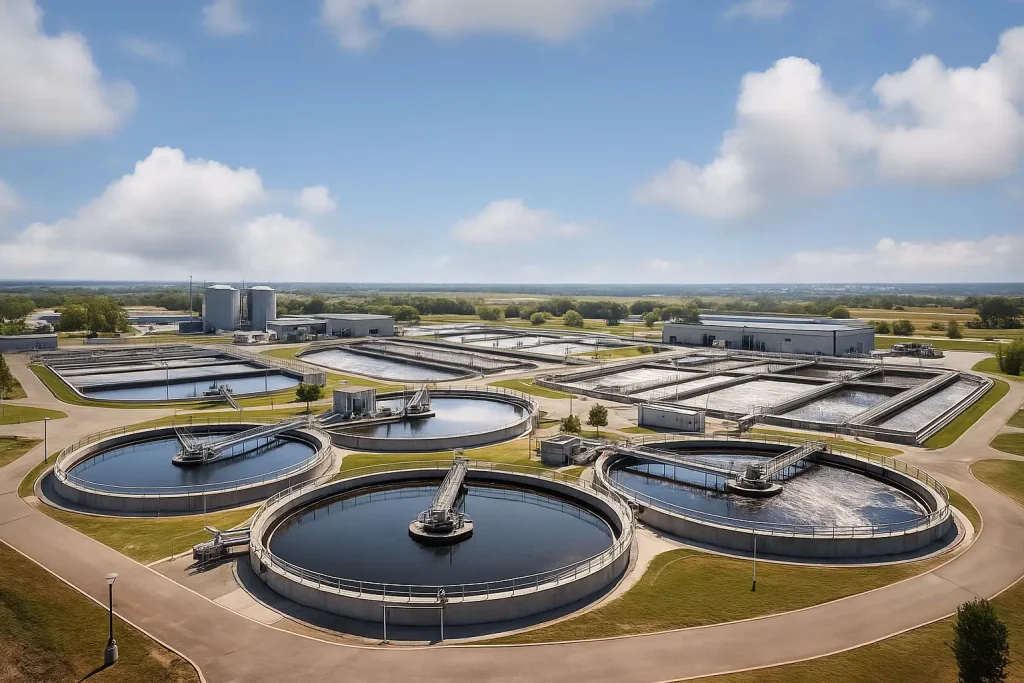
Wastewater CCUS — Carbon Capture & Nutrient Recovery
Capture CO₂ from Aeration & Digestion Whilst Recovering Nutrients
Aeration Off-Gas Capture
Aeration off-gas injected directly into photobioreactors for immediate CO₂ fixation
Nutrient Integration
Effluent water provides nitrogen and phosphorus for accelerated algae growth
Biomass Conversion
Harvested biomass transformed into engineered biochar through pyrolysis
Credit Generation
System generates verified CDR credits supporting circular water economy
Carbon Credit Revenue
Generates revenue from high-integrity carbon removal credits
Municipal Net-Zero Enablement
Enables municipal utilities to achieve ambitious net-zero commitments
CCUS Hubs — Multi-Industry Carbon Capture Clusters
Shared Industrial CCUS Infrastructure for Large-Scale Carbon Removal
Carbelim enables industrial parks and economic zones to operate centralised CCUS hubs, capturing CO₂ from multiple factories into a shared bioreactor and biochar system. This cluster approach dramatically reduces per-tonne carbon removal costs whilst enabling smaller facilities to access CCUS technology that would otherwise be economically prohibitive.
Multi-Source Integration
Aggregates CO₂ streams from diverse industrial sources into unified capture infrastructure
Centralised Processing
Shared biomass harvesting and pyrolysis facilities maximise operational efficiency
Unified MRV System
Shared measurement, reporting & verification for streamlined carbon credit accounting
Cluster-Wide Production
Industrial-scale engineered biochar production serves entire industrial cluster
CCUS Hub
The Hub Model offers significant benefits:
The CCUS hub model represents the most economically efficient pathway to industrial-scale carbon removal. By aggregating emissions from glass factories, food processing plants, furnace operations, and other industrial sources, hubs achieve capture costs competitive with any carbon removal technology whilst delivering verified, permanent sequestration.
Lowest Cost-Per-Tonne Removal
Attractive model for climate industrial parks and government-supported decarbonisation zones.
Shared Infrastructure Investment
Multiple facilities share costs for pyrolysis equipment, biochar processing, and MRV systems.
Government-Backed Development
Multiple facilities share costs for pyrolysis equipment, biochar processing, and MRV systems.
Steady CDR Credit Supply
Generates consistent, high-volume supply of verified carbon removal credits for trading.
Scalable, Verified, Permanent Carbon Removal
Comprehensive Industrial Decarbonisation
High-Efficiency Carbon Capture
Biological fixation delivers superior capture rates with minimal energy input
Biochar-Based Long-Duration Storage
Engineered biochar ensures carbon remains sequestered for centuries
MRV-Ready Carbon Removal Credits
Comprehensive measurement and verification systems enable immediate credit generation
Multi-Sector Integration
Solutions tailored for biogas, F&B, furnace, steel, cement, wastewater, and other sectors
Economical & Scalable Deployment
Cost-competitive with traditional CCS whilst offering superior permanence and co-benefits
Circular Carbon Systems
Convert emissions into valuable assets rather than disposal costs
Carbelim’s CCUS platform addresses the fundamental challenge facing industrial decarbonisation: how to remove carbon at scale, with permanence, at a cost that makes economic sense. Our microalgae-based approach delivers all three requirements whilst creating additional value through biomass utilisation and circular economy integration.
Transform Your Industrial Emissions into Climate-Positive Assets
Ready to Decarbonise?
Our technical team will conduct a comprehensive feasibility assessment for your facility, including:
- CO₂ stream characterisation and capture potential analysis
- Site-specific photobioreactor system design
- Economic modelling including carbon credit revenue projections
- Implementation timeline and integration planning
- MRV framework development for credit generation
Email Us
Direct line to our technical team for feasibility assessments
Visit Our Website
Explore detailed technical specifications and case studies